Understanding Corrosion and Its Impact
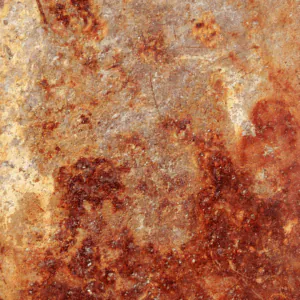
Corrosion is a naturally occurring electrochemical process in which metals deteriorate through interaction with their surrounding environment, most commonly oxygen and moisture. In steel substrates, this process typically manifests as oxidation, more commonly recognized as rust. Over time, corrosion leads to loss of material, surface pitting, reduced structural integrity, and ultimately premature asset failure if left unmitigated.
Steel structures are particularly vulnerable in aggressive environments such as coastal and marine locations, industrial facilities, wastewater treatment plants, and chemical processing sites. Salt exposure, atmospheric pollutants, high humidity, and chemical attack all accelerate corrosion rates, increasing maintenance demands and lifecycle costs for asset owners.
The economic impact of corrosion is substantial. In the United States alone, the total direct cost of corrosion was estimated to exceed $276 billion annually, according to the National Association of Corrosion Engineers report Corrosion Costs and Preventive Strategies in the United States (NACE International, 2002). While this data is not new, it clearly illustrates that corrosion is not a theoretical concern but a persistent and costly industrial challenge that continues to demand effective prevention strategies.
Why Traditional Coating Systems Fall Short
For decades, epoxy, polyurethane, and alkyd-based coatings have been widely used as corrosion protection systems. While these coatings can perform adequately in controlled environments, real-world service conditions often expose inherent limitations in their performance.
Through years of working with corrosion challenges across a wide range of industries, I’ve seen that failures in traditional systems most often occur at interfaces, seams, welds, and complex geometries. These failures generally stem from a combination of mechanical limitations, application sensitivity, and long-term durability challenges.
Why Traditional Coatings
Fail on Steel Assets
Conventional coating systems can provide effective protection in controlled conditions, but aggressive steel environments expose several common failure points.
Brittleness and Limited Movement Tolerance
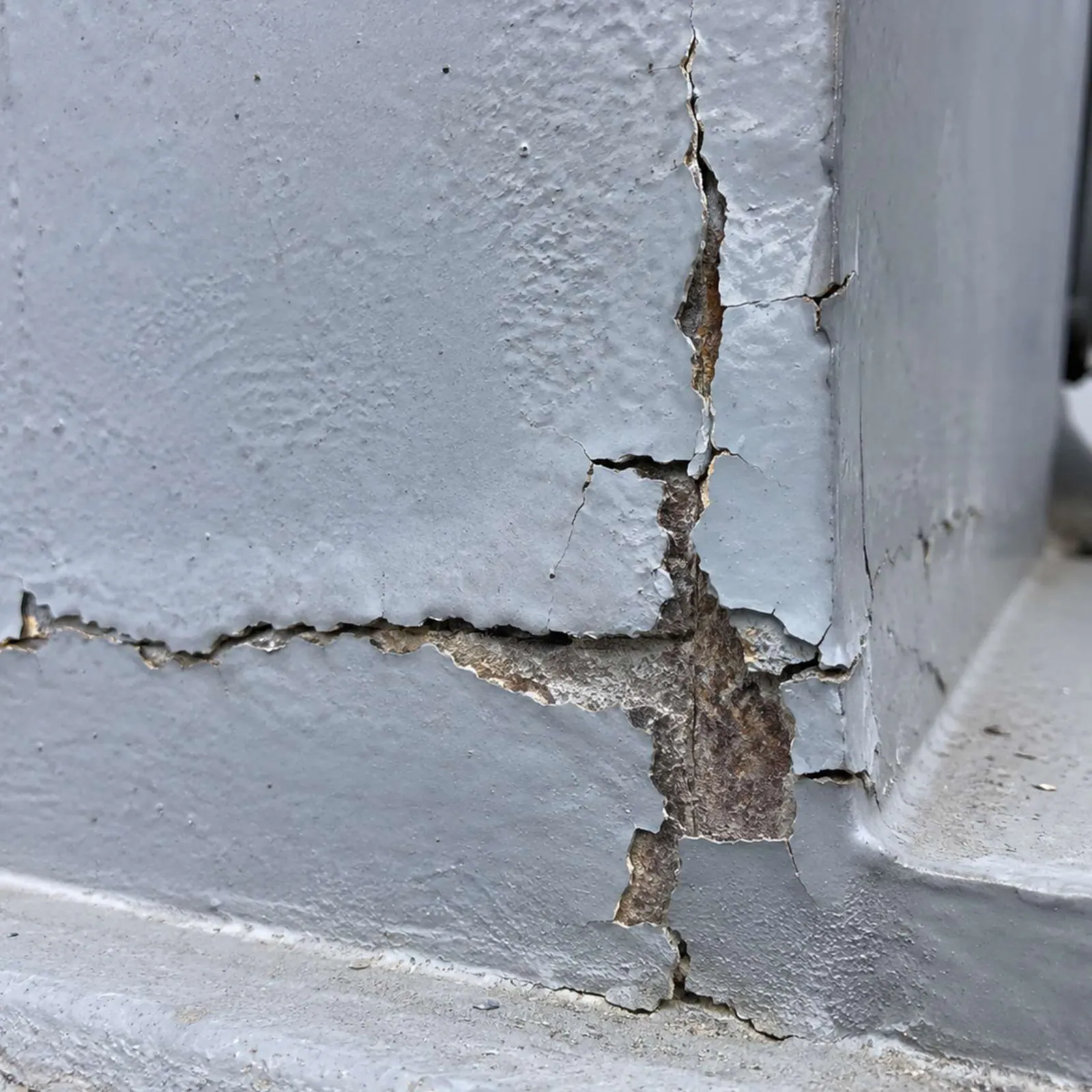
Rigid coatings can struggle with steel movement caused by temperature change and operational loads. When low elongation systems crack or delaminate, water and oxygen can reach the steel surface, allowing hidden corrosion to begin beneath the coating.
Inconsistent Coverage on Complex Steel Geometry
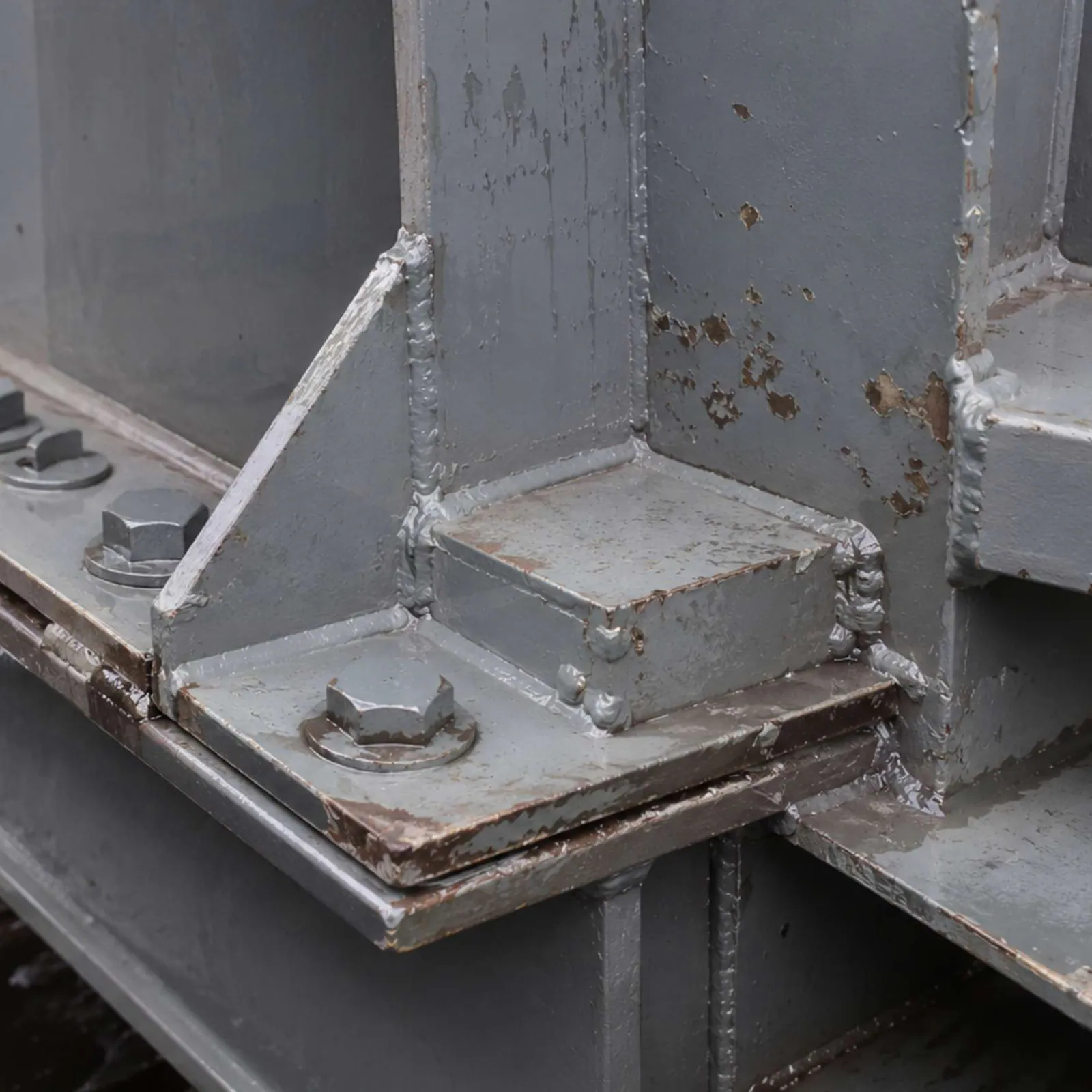
Weld seams, bolts, sharp edges and joints are common weak points. Traditional coatings can struggle to build consistent film thickness in these areas, creating thin spots or holidays that allow moisture ingress and compromise the corrosion barrier.
Cure Sensitivity and Application Constraints
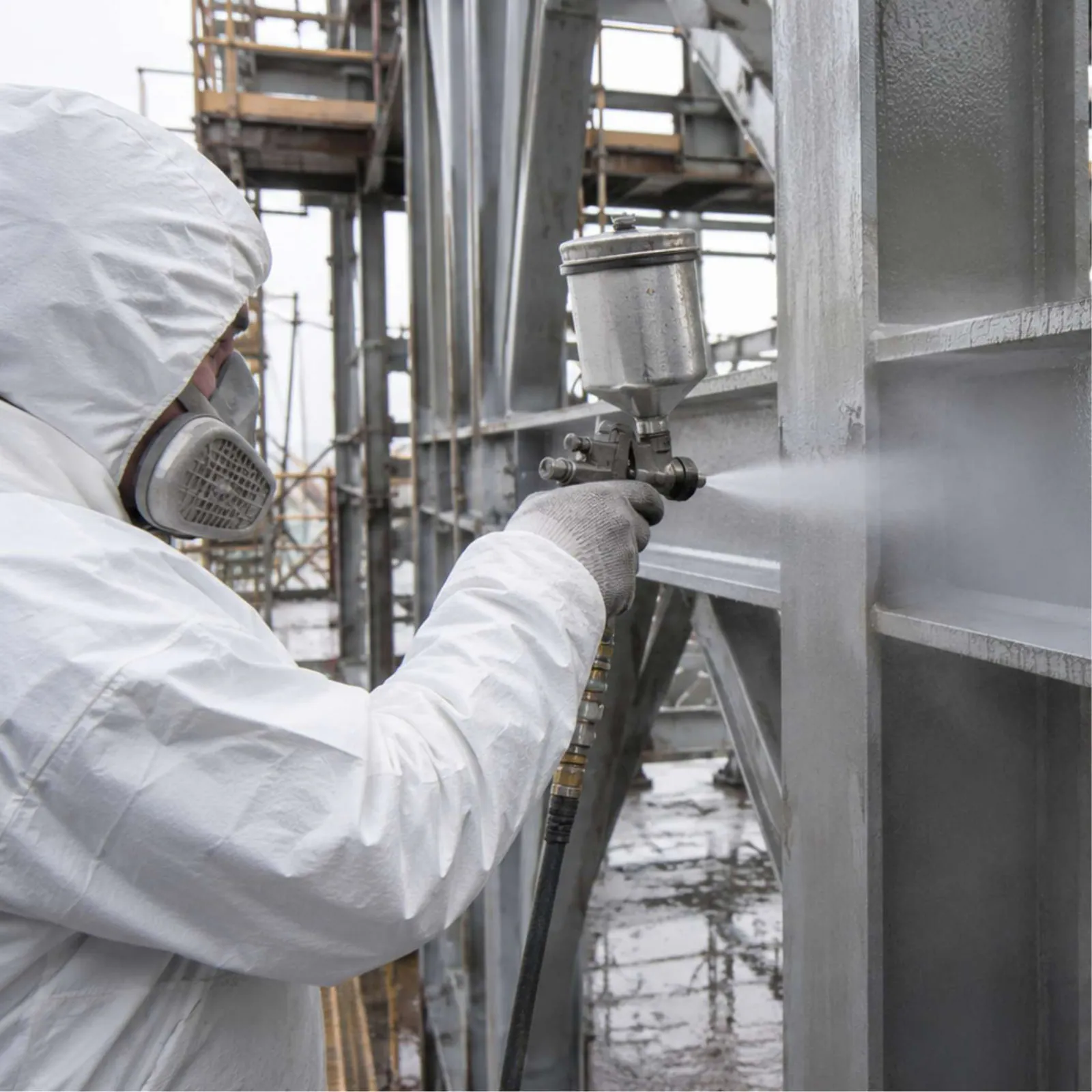
Epoxy and polyurethane systems are highly dependent on temperature, humidity and dew point during application and cure. In field environments, poor cure control can lead to adhesion loss, incomplete crosslinking, chalking or reduced chemical resistance.
Limited Resistance to Abrasion and Impact
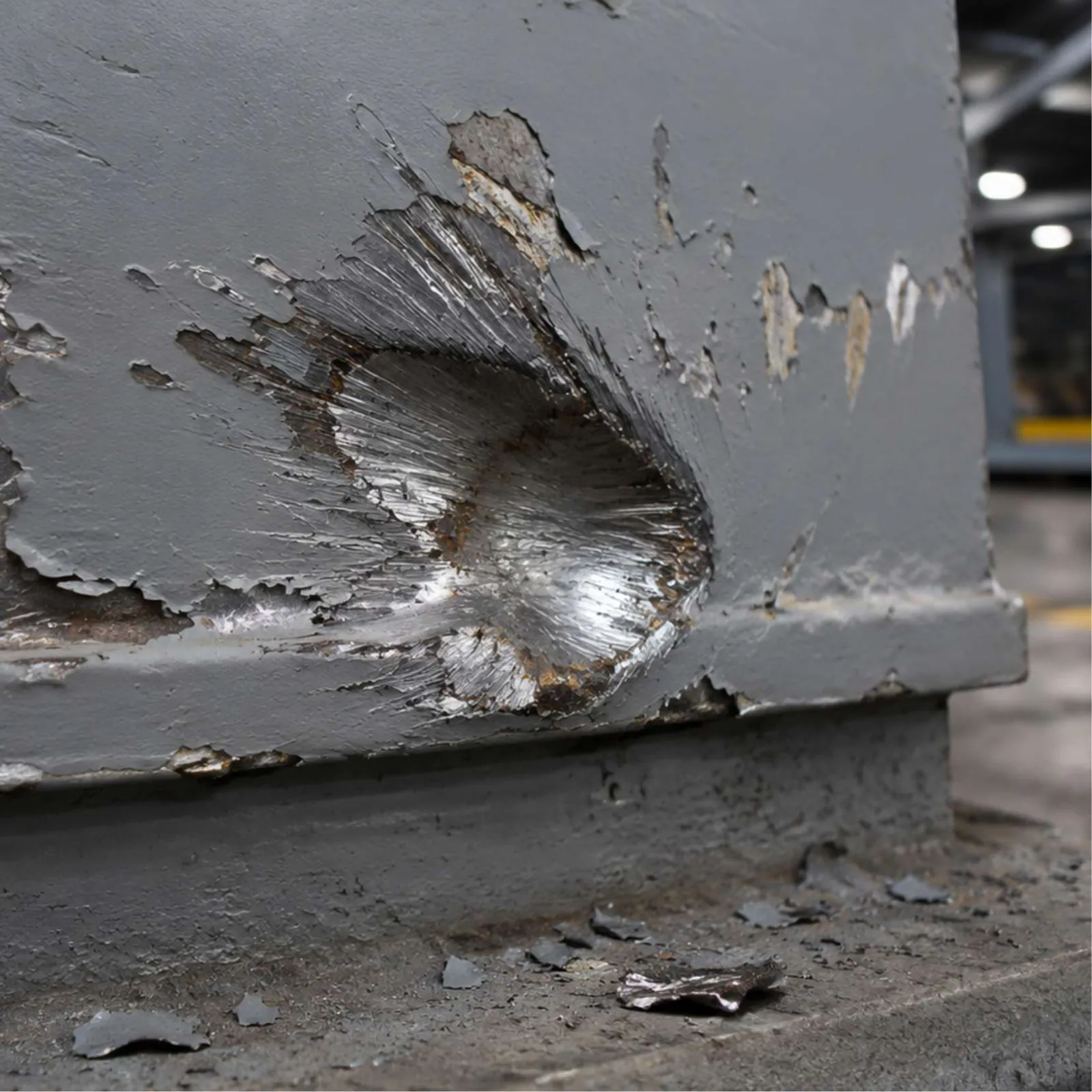
In industrial, marine and mining environments, steel assets face abrasion, vibration and impact. Traditional coatings can chip, flake or erode under mechanical stress, exposing bare steel and accelerating corrosion rates.
These limitations have driven the adoption of elastomeric coating technologies, particularly polyurea systems, designed to perform under aggressive service conditions that exceed conventional coating capabilities.
Polyurea as a Modern Solution to Corrosion Control
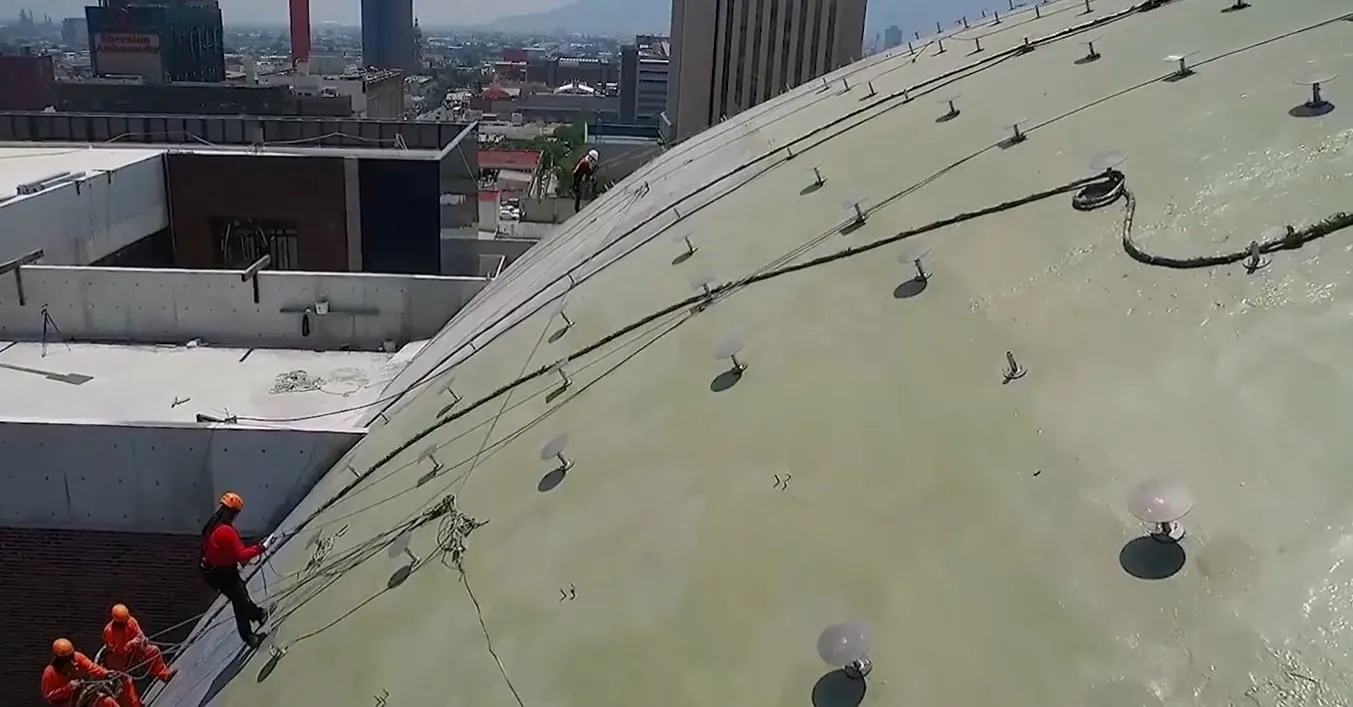
Polyurea coatings address many of the shortcomings associated with traditional protective systems. Their rapid cure, seamless application, elastomeric properties, and strong adhesion characteristics make them well suited for protecting steel substrates exposed to harsh chemical, mechanical, and environmental stressors.
However, not all polyurea systems are the same. Formulation discipline, quality control, and testing capability play a critical role in long-term performance. This is where Ultimate Linings differentiates itself.
Ultimate Linings Polyurea Systems: Technical Advantages
With more than two decades of experience in the polyurea coatings industry, I have seen firsthand how Ultimate Linings Polyurea Systems deliver consistent, long-term corrosion protection when applied over properly prepared and primed steel substrates.
Ultimate Linings is unique in that it is exclusively focused on polyurea and polyaspartic technologies. Unlike manufacturers that treat polyurea as one product line among many, Ultimate Linings designs, formulates, and manufactures its coatings with a single focus. This commitment allows for tighter formulation control, deeper application knowledge, and coatings optimized specifically for demanding industrial service.
Supporting this manufacturing focus is a laboratory backed by parent company IXS Coatings’ ISO 17025 accreditation. This accreditation confirms that all testing is conducted under internationally recognized standards, ensuring reliability, repeatability, and confidence in performance data. For asset owners and engineers, this means system recommendations and test results are backed by validated laboratory processes rather than theoretical claims.
Polyurea: A Modern Solution
to Corrosion Control
Ultimate Linings polyurea systems are engineered to provide durable, seamless and highly resilient protection for steel assets exposed to aggressive industrial, marine and infrastructure environments.
Proven Corrosion Resistance
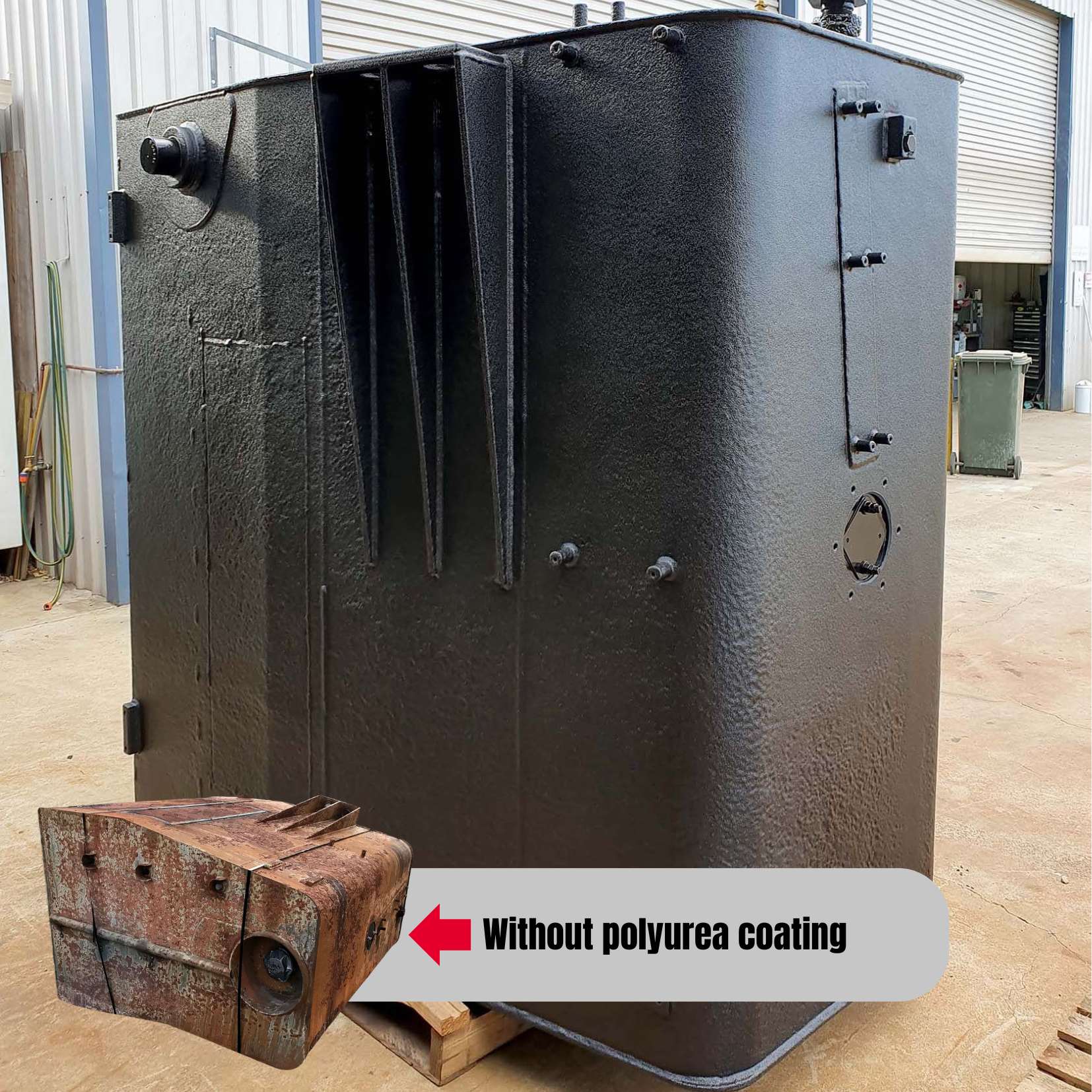
Ultimate Linings polyurea systems have been tested using ASTM B117 salt spray testing, a widely accepted method for evaluating corrosion resistance on coated steel substrates under accelerated conditions. When applied over properly blasted and primed steel, Ultimate Linings systems have achieved a rating of 10 after 3,000 hours of exposure, indicating no coating failure and no corrosion creep from the scribe.
Environmentally Considerate Formulation
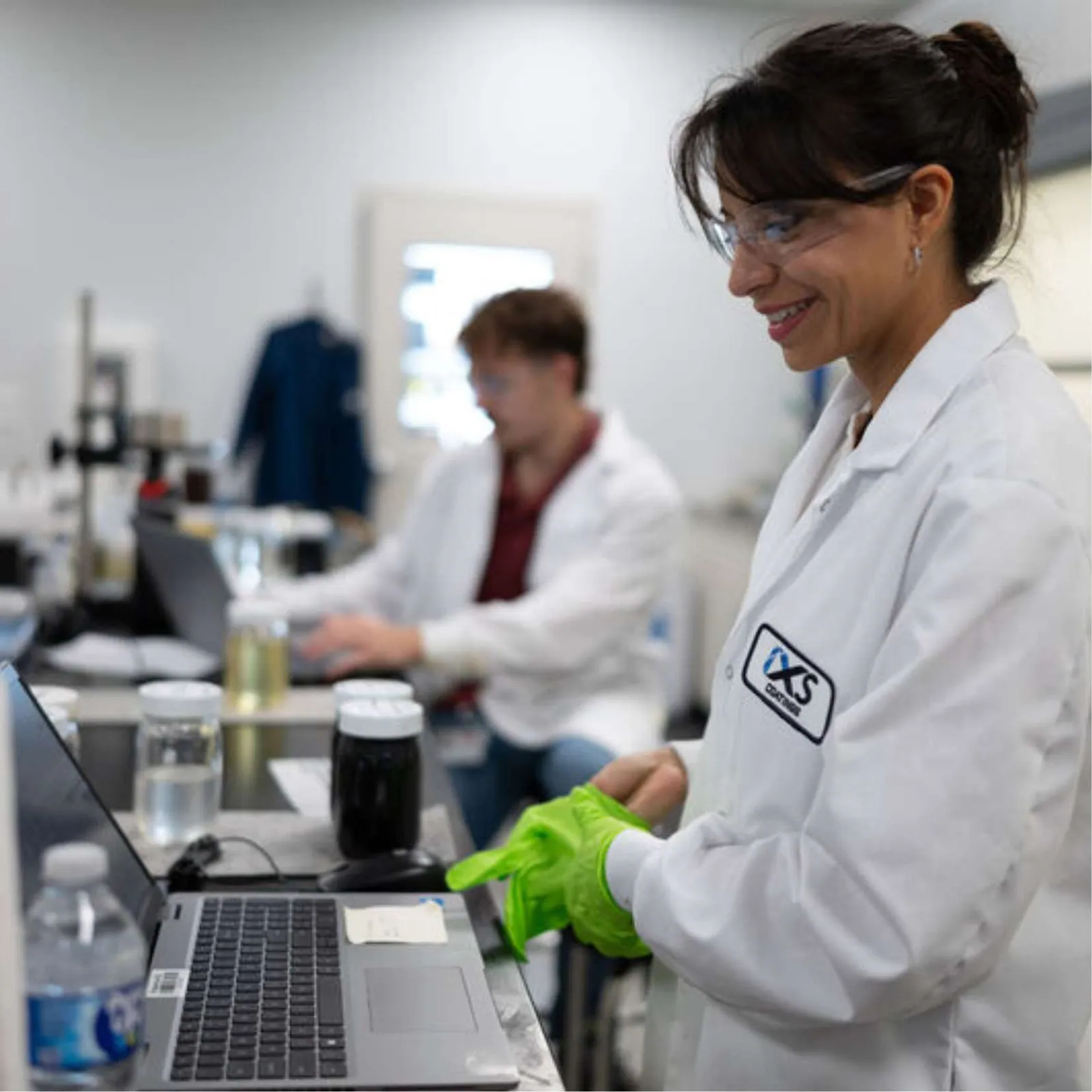
Ultimate Linings polyurea coatings are formulated without volatile organic compounds. This VOC-free chemistry supports safer application in enclosed or sensitive environments while helping clients meet regulatory and environmental compliance requirements.
High Durability and Abrasion Resistance
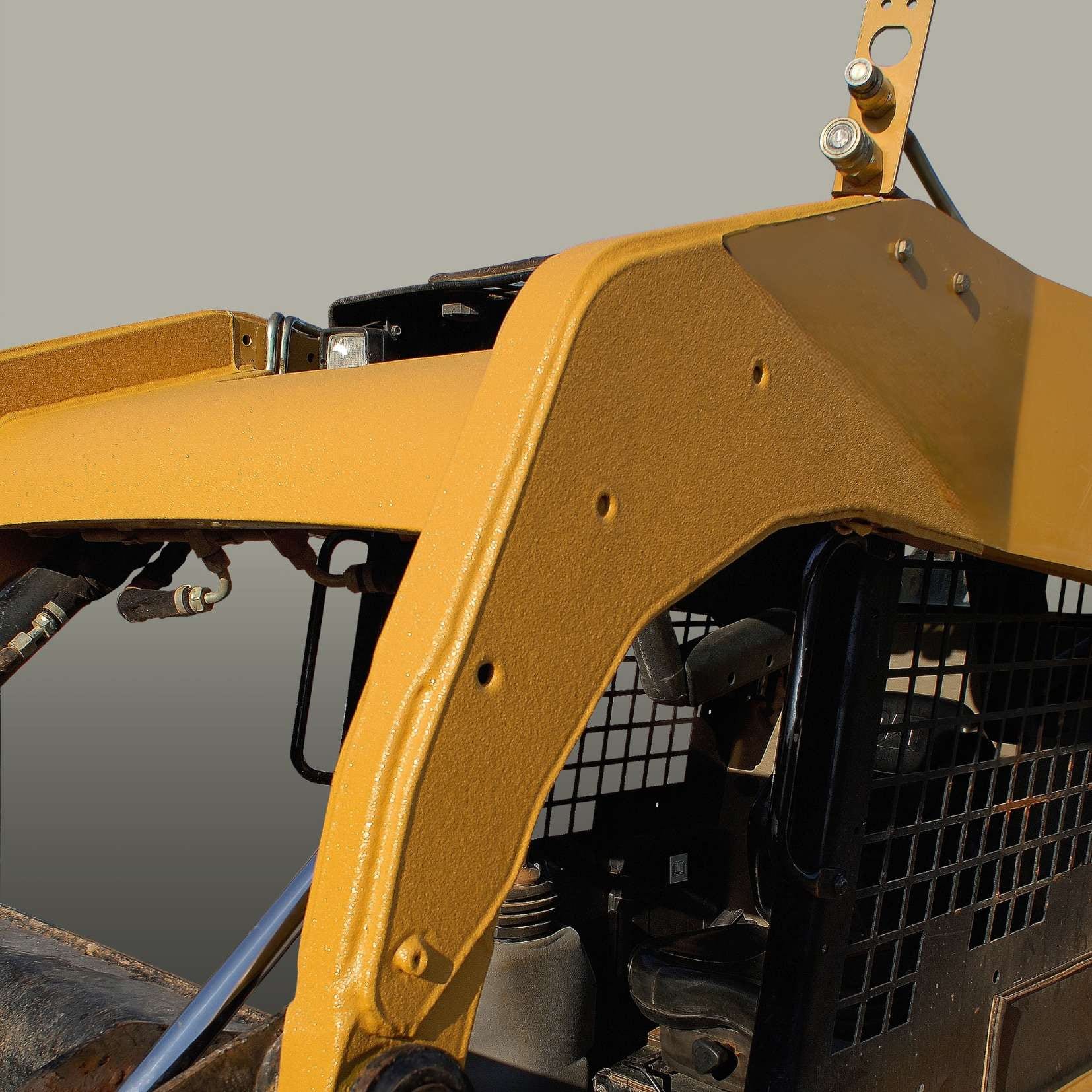
The elastomeric nature of polyurea allows the coating to absorb impact, resist abrasion and accommodate substrate movement without cracking or delaminating. This durability significantly reduces maintenance frequency and extends asset service life.
Waterproofing and Chemical Resistance
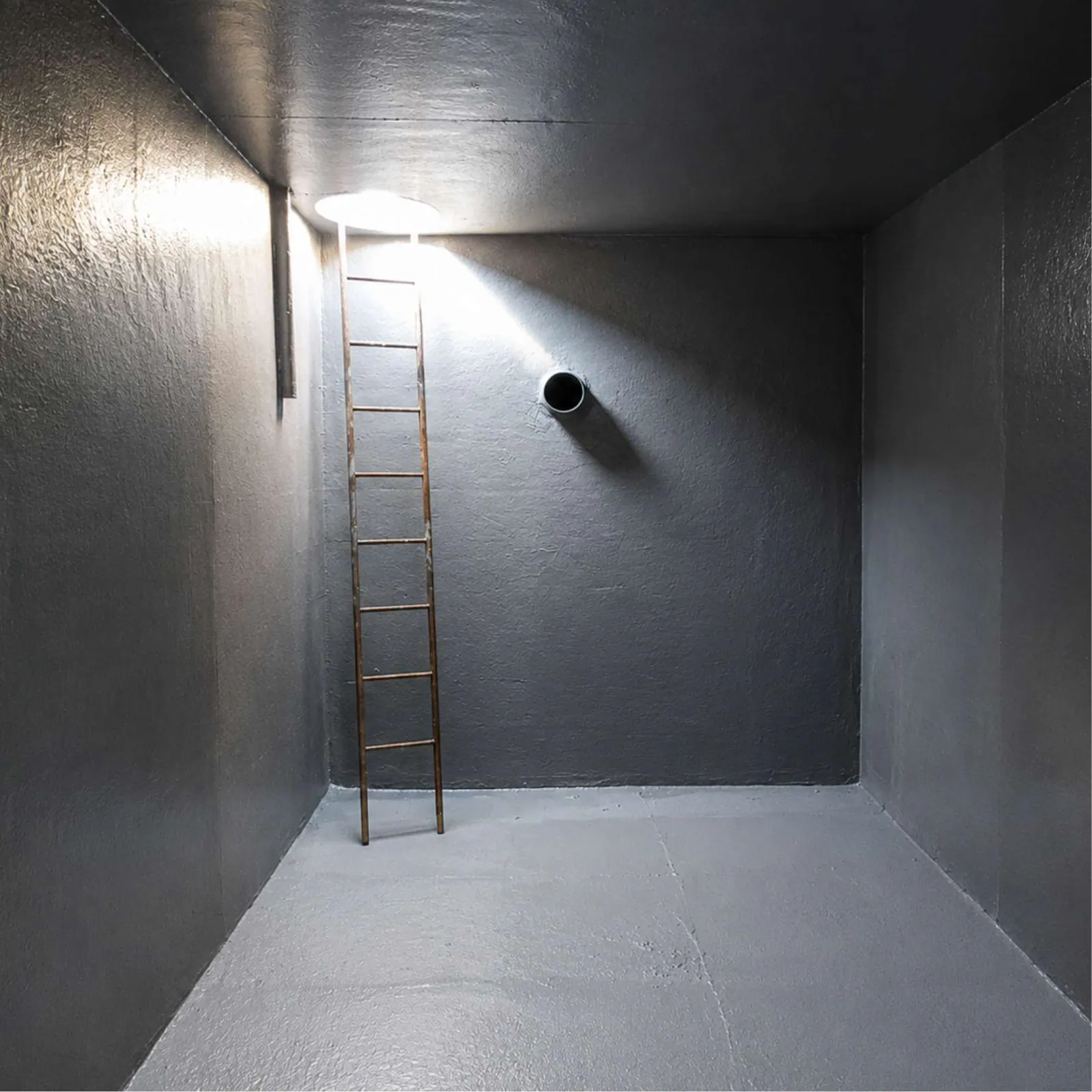
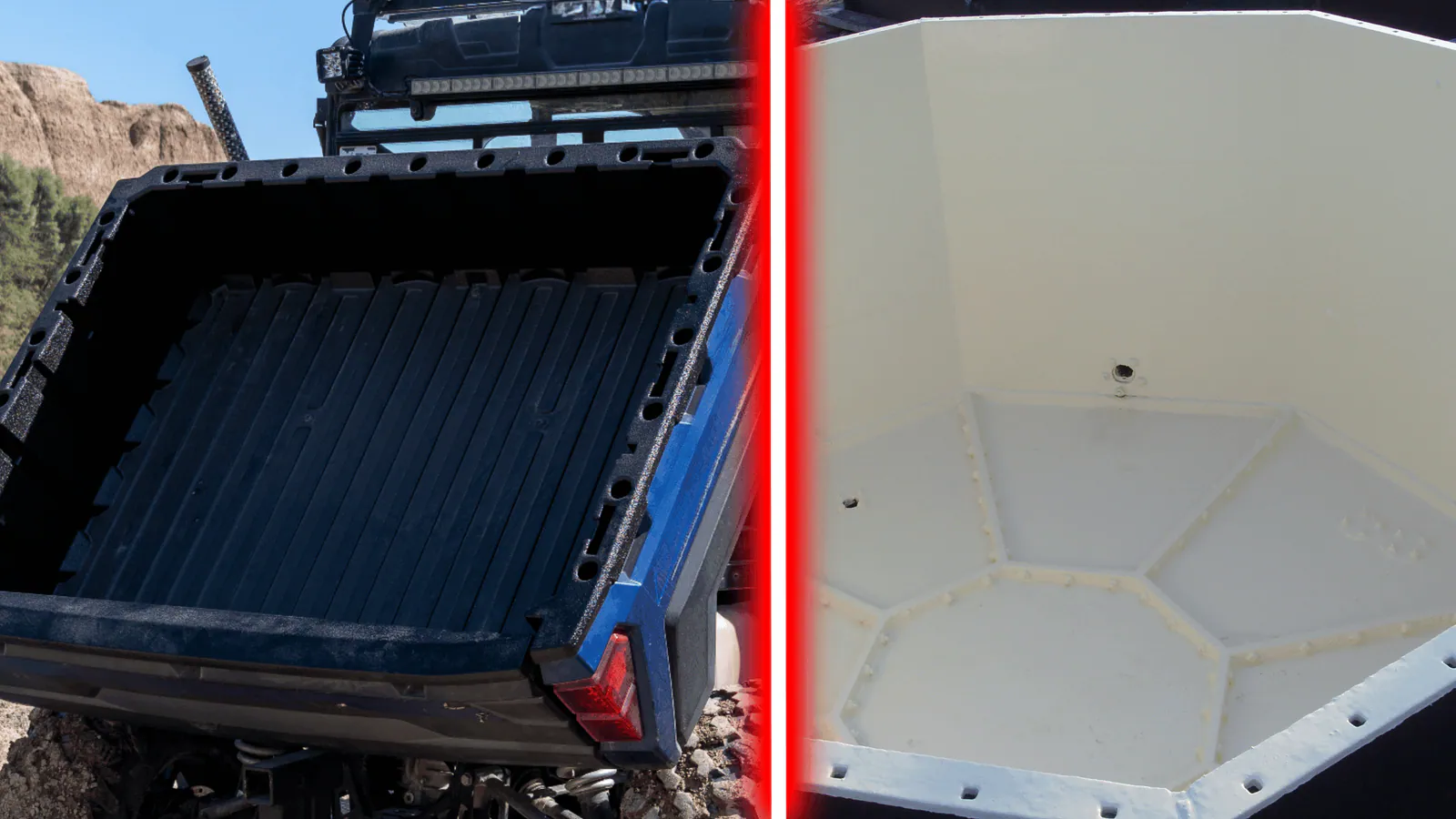
Once cured, Ultimate Linings polyurea forms a seamless, impermeable membrane that prevents moisture ingress. The coating resists a wide range of industrial chemicals including acids, salts, fuels and solvents, making it suitable for chemical processing, wastewater treatment, marine and offshore applications.
Rapid Return to Service
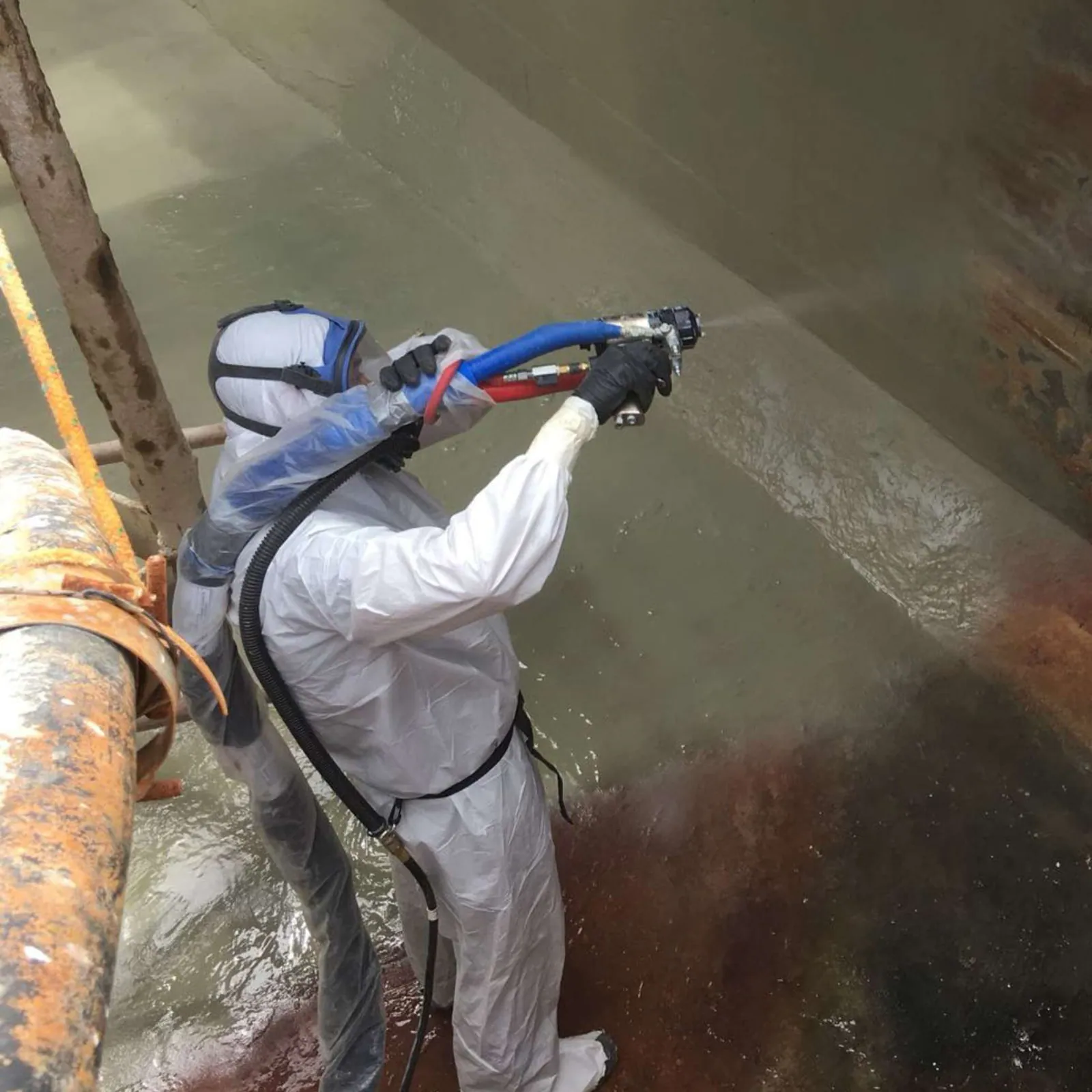
Polyurea’s fast gel and cure times allow coated assets to return to service quickly, often within hours of application. This is a significant advantage in operational environments where downtime carries substantial cost.
Functional and Aesthetic Flexibility
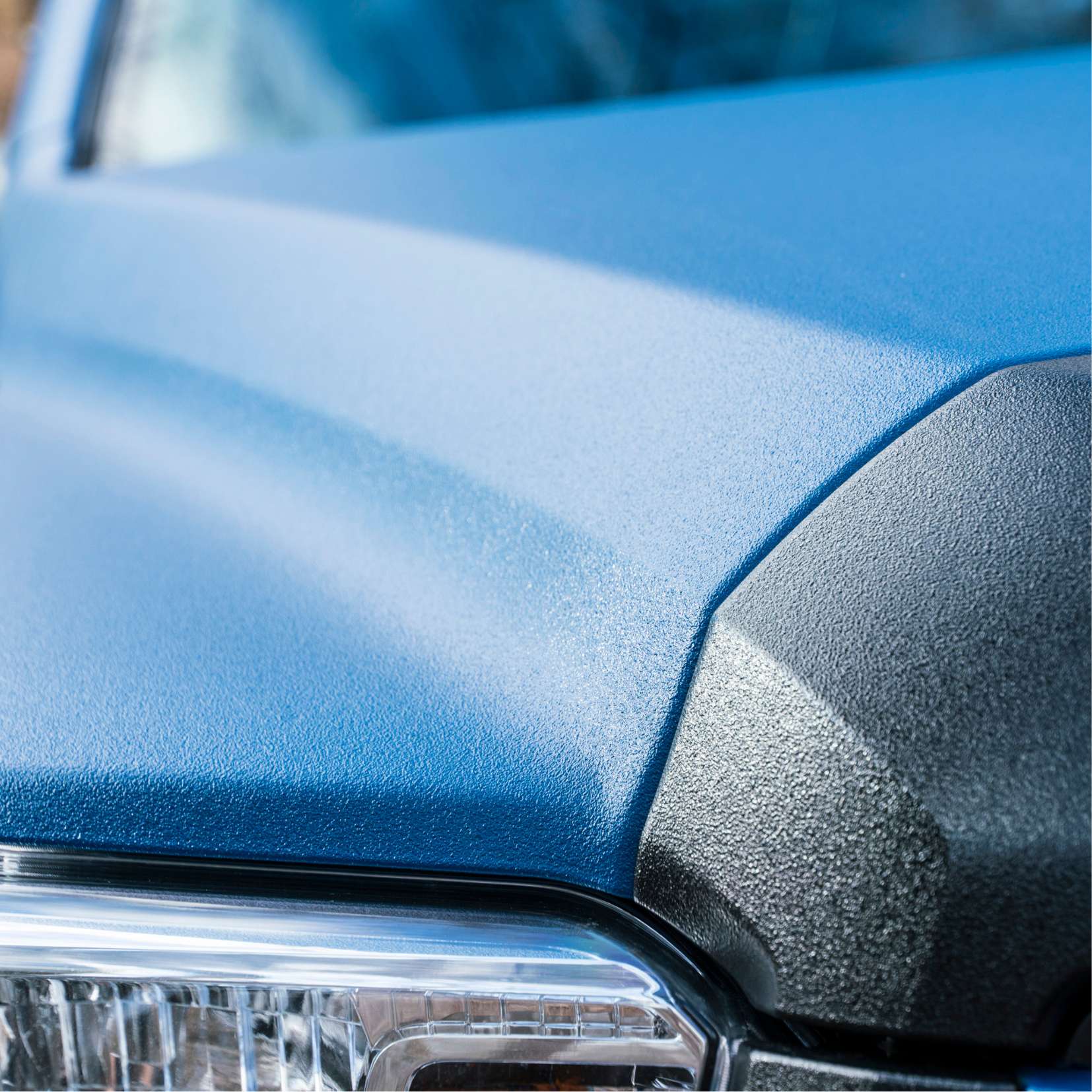
Ultimate Linings polyurea systems are available in multiple color options, offering functional identification, safety visibility and aesthetic flexibility without compromising performance.
Polyurea provides a seamless, durable and high-performance barrier system for steel assets operating in demanding environments where conventional coatings may reach their limits.
Why Ultimate Linings for Steel Corrosion Protection
For engineers, manufacturers, and asset managers evaluating corrosion protection strategies, Ultimate Linings offers a technically robust and field-proven solution. Its exclusive focus on polyurea manufacturing, supported by a laboratory backed by parent company IXS Coatings’ ISO 17025 accreditation and extensive real-world testing, provides confidence that system performance is measurable, repeatable, and reliable.
For those researching whether polyurea is appropriate for their specific corrosion challenges, the Ultimate Linings technical team is available to assist with system selection, specification development, and application best practices to ensure long-term asset protection.