Home » Oil and Gas
Oil and gas environments are tough on infrastructure. Corrosion, chemical exposure, abrasion, thermal cycling, UV, and weathering all attack surfaces over time, increasing maintenance costs and elevating operational risk.
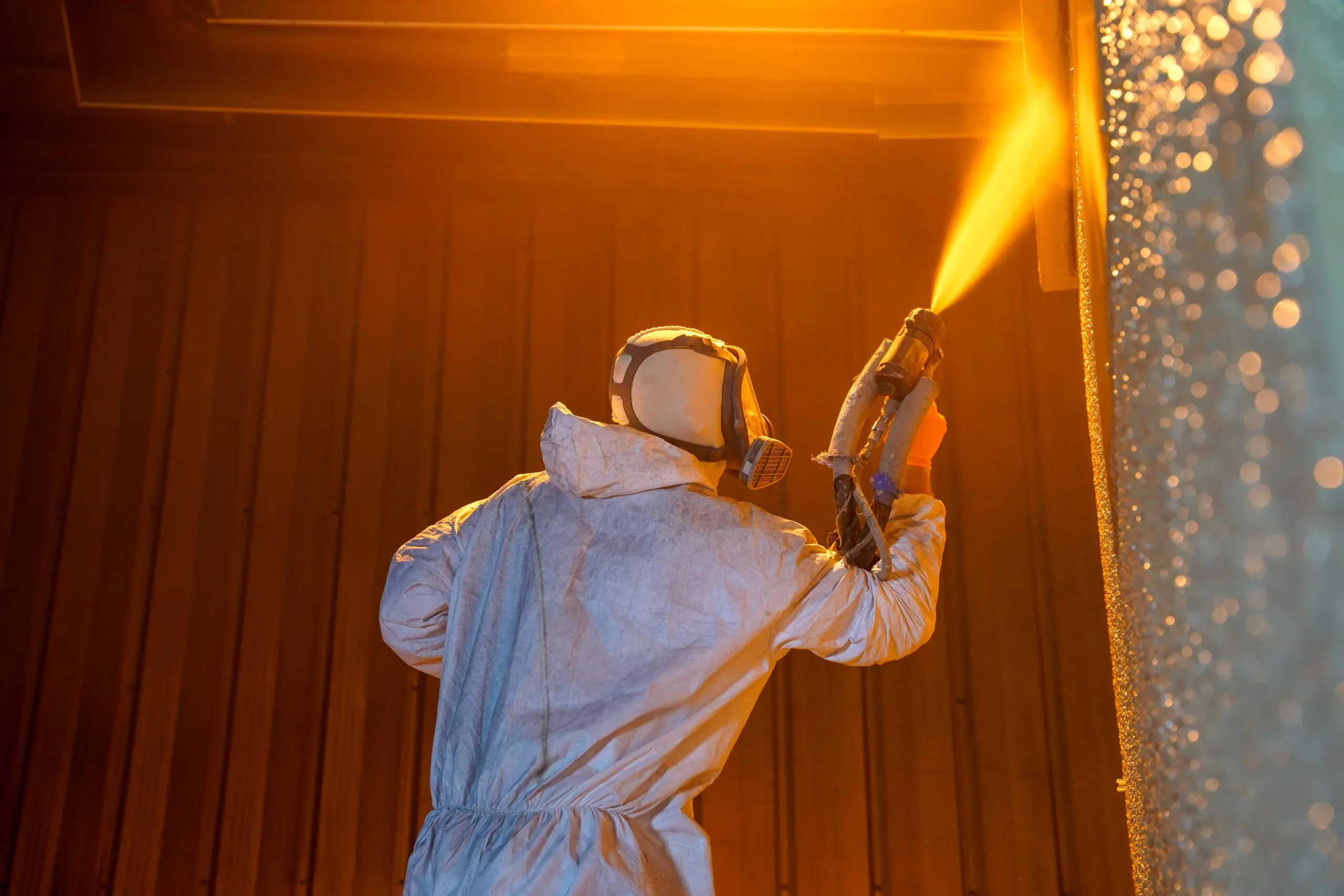
Ultimate Linings manufactures high-performance polyurea coating systems engineered to protect oil and gas assets for the long term. From storage tanks and secondary containment to high-wear steel structures and industrial components, our solutions are built for demanding field conditions where failure is not an option.
Need a coating strategy for a project or asset portfolio?
Speak with our team and we will help guide product selection, surface prep, and application approach.
Traditional coatings often struggle when conditions turn harsh. Polyurea systems are selected in oil and gas environments because they deliver a balance of speed, durability, and performance that supports both operational uptime and lifecycle protection.
Polyurea coatings can help you:
This is why polyurea is widely specified when owners and engineers need protection that can handle real-world site demands.
In oil and gas, coatings fail when they cannot keep up with the environment. Ultimate Linings polyurea systems are designed to perform across common challenges including:
Ultimate Linings coatings are developed for industrial durability, helping owners protect assets that are difficult, expensive, or time-consuming to repair or replace.
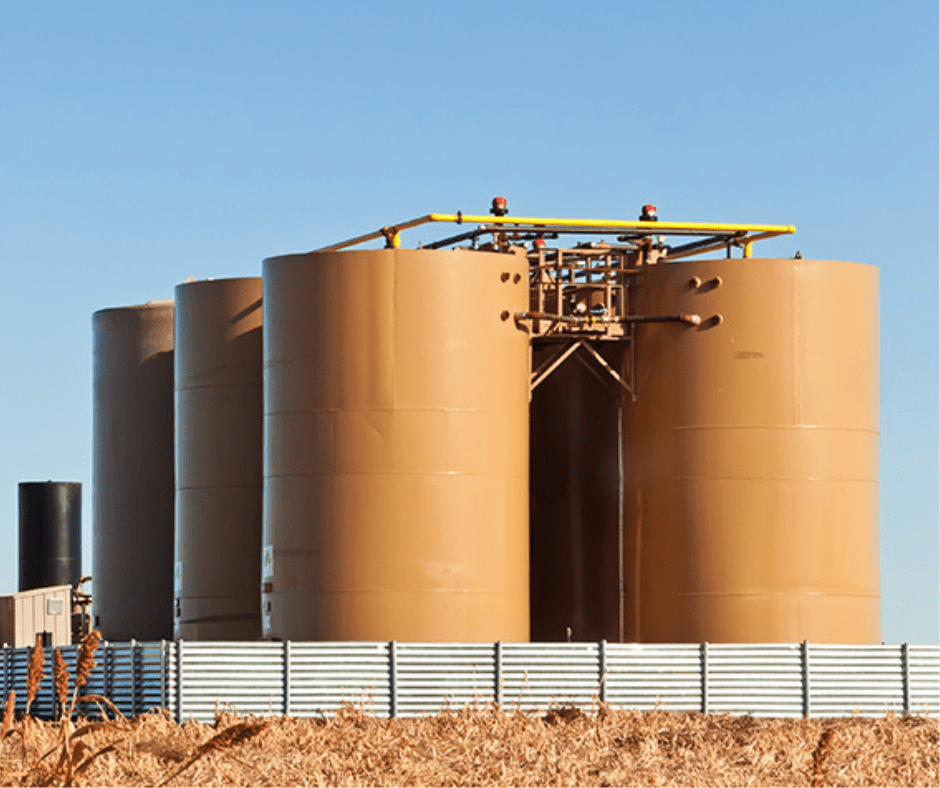
Storage tanks operate in a constant cycle of stress. Whether it’s corrosion risk, chemical exposure, or external weathering, tank protection is one of the most important lifecycle decisions an operator makes.
Ultimate Linings polyurea systems can be used to support:
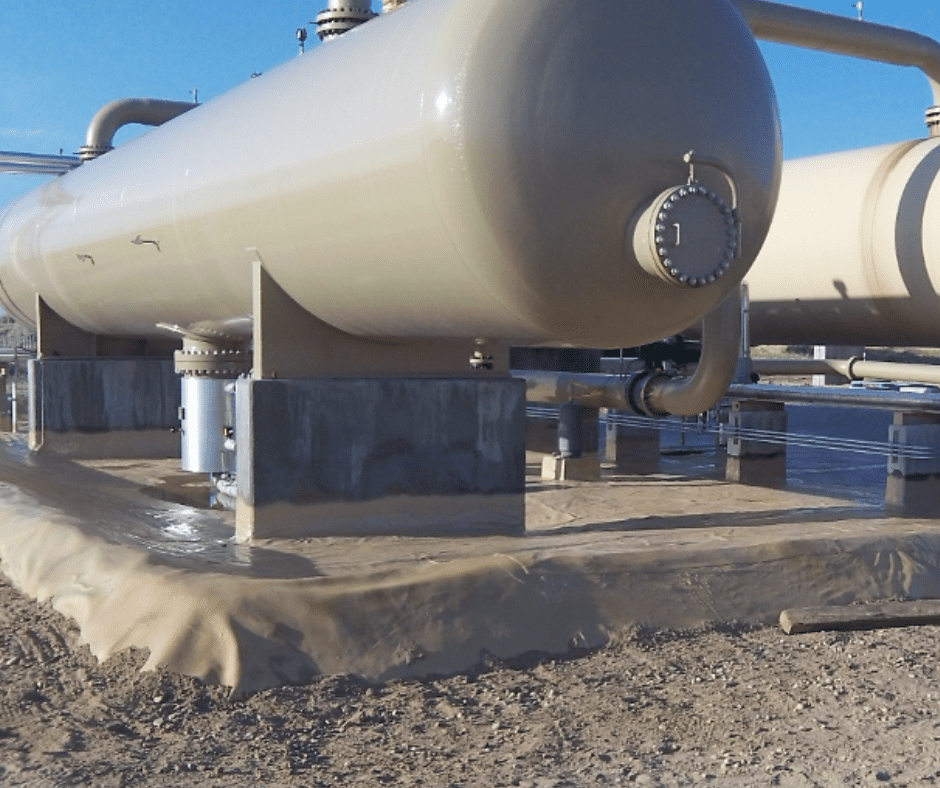
Secondary containment is not optional. It exists to protect the environment, support compliance requirements, and prevent the financial burden of clean-up and remediation.
Ultimate Linings polyurea solutions help create a seamless barrier that protects containment areas and supports long-term integrity. This includes polyurea sprayed geotextile solutions designed specifically for containment systems and spill control zones.
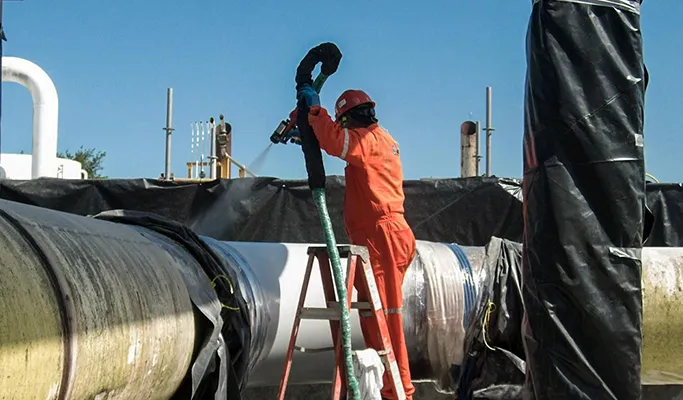
Oil and gas facilities rely on steel everywhere, and exposed steel always carries risk. Polyurea systems deliver durable protection that helps reduce premature coating breakdown caused by abrasion, corrosion, and harsh environments.
Where protection is commonly needed:
For large secondary containment areas where installation speed and efficiency matter, polyurea pre-sprayed geotextile can be a highly effective alternative to spraying the entire surface on-site.
Ultimate Linings provides the polyurea formulations used for pre-sprayed geotextile systems, enabling partners to produce ready-to-deploy containment membranes built for demanding industrial environments. While Ultimate Linings does not manufacture the pre-sprayed geotextile rolls directly, we supply the advanced polyurea technology behind them, helping ensure consistent chemistry, repeatable performance, and trusted protection where it counts.
Oil and gas projects often face tight shutdown windows, unpredictable site conditions, and large-area containment requirements. Polyurea pre-sprayed geotextile helps reduce installation time while maintaining a robust protective barrier.
Key advantages include:
Polyurea pre-sprayed geotextile is installed as a rolled membrane system, designed to simplify large containment projects:
This method can be substantially quicker than spraying large surface areas from the ground up, while still delivering the durability and chemical resistance expected from polyurea-based containment protection.
If your project includes bunds, secondary containment, or large-area spill control zones, speak with Ultimate Linings about polyurea pre-sprayed geotextile solutions and system selection support.
Both spray-applied polyurea and polyurea pre-sprayed geotextile are proven ways to protect oil and gas assets, but they serve different project needs. The right choice comes down to footprint size, site conditions, access, and installation time constraints.
Spray-applied polyurea is typically the best fit when you need a fully bonded, monolithic lining across complex geometry or detail-heavy areas.
Choose spray-applied polyurea for:
Why it’s used:
Spray application creates a seamless coating directly on the prepared surface, which is ideal for detailed areas and demanding service environments.
Polyurea pre-sprayed geotextile is often the smarter option when the project priority is speed and coverage over large, open footprints.
Choose polyurea pre-sprayed geotextile for:
Why it’s used:
The membrane is rolled out quickly, then seams and details are sealed, delivering faster progress on big areas compared to full spray application.
Many oil and gas containment projects benefit from a hybrid installation strategy:
This approach can reduce installation time while ensuring the critical detail points are sealed and protected correctly.
If you are planning a containment lining or tank protection project, Ultimate Linings can help you evaluate which system is best for your asset, environment, and schedule.
Many coating manufacturers sell chemistry. Ultimate Linings builds systems designed to perform in the field, supported by manufacturing consistency and technical expertise.
If you are planning, upgrading, or protecting infrastructure, Ultimate Linings can support polyurea solutions for:
If you have a unique application, we can help identify a coating approach aligned with the service environment and performance priorities.
If you are an asset owner, architect, engineer, or EPC working on an oil and gas project, we can support you with:
Contact us today to discuss your asset, environment, and protection goals.
Protect your oil and gas assets with polyurea systems designed for harsh service.
Speak with Ultimate Linings to discuss tank coatings, secondary containment, and industrial protection strategies.
It depends on exposure, substrate, and operating conditions, but polyurea is often selected for oil and gas due to its durability, fast cure, and ability to create seamless protective membranes that resist wear, weathering, and chemical exposure.
Yes. Polyurea is commonly used for secondary containment and bund lining because it forms a continuous barrier that helps prevent leaks and supports compliance requirements.
Polyurea systems are widely used for tank protection because they can support long-term durability, help reduce corrosion exposure, and withstand demanding environments where conventional coatings degrade over time.
Polyurea can outperform many traditional coatings in harsh environments due to its rapid cure, seamless waterproofing, and strong resistance to abrasion and environmental exposure.
Yes. Ultimate Linings supports asset owners, engineers, and project teams with product selection, performance guidance, and technical support to help ensure coating success in real-world conditions.