
You asked, we’re answering.
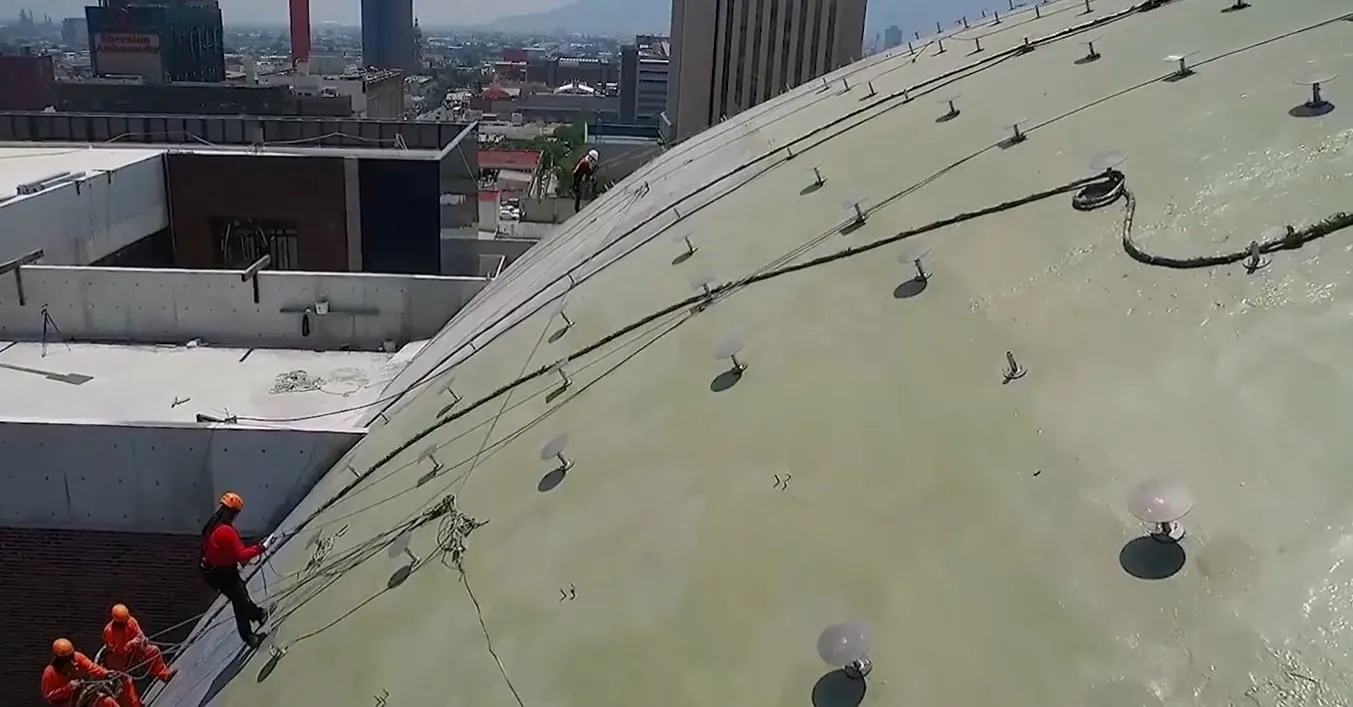
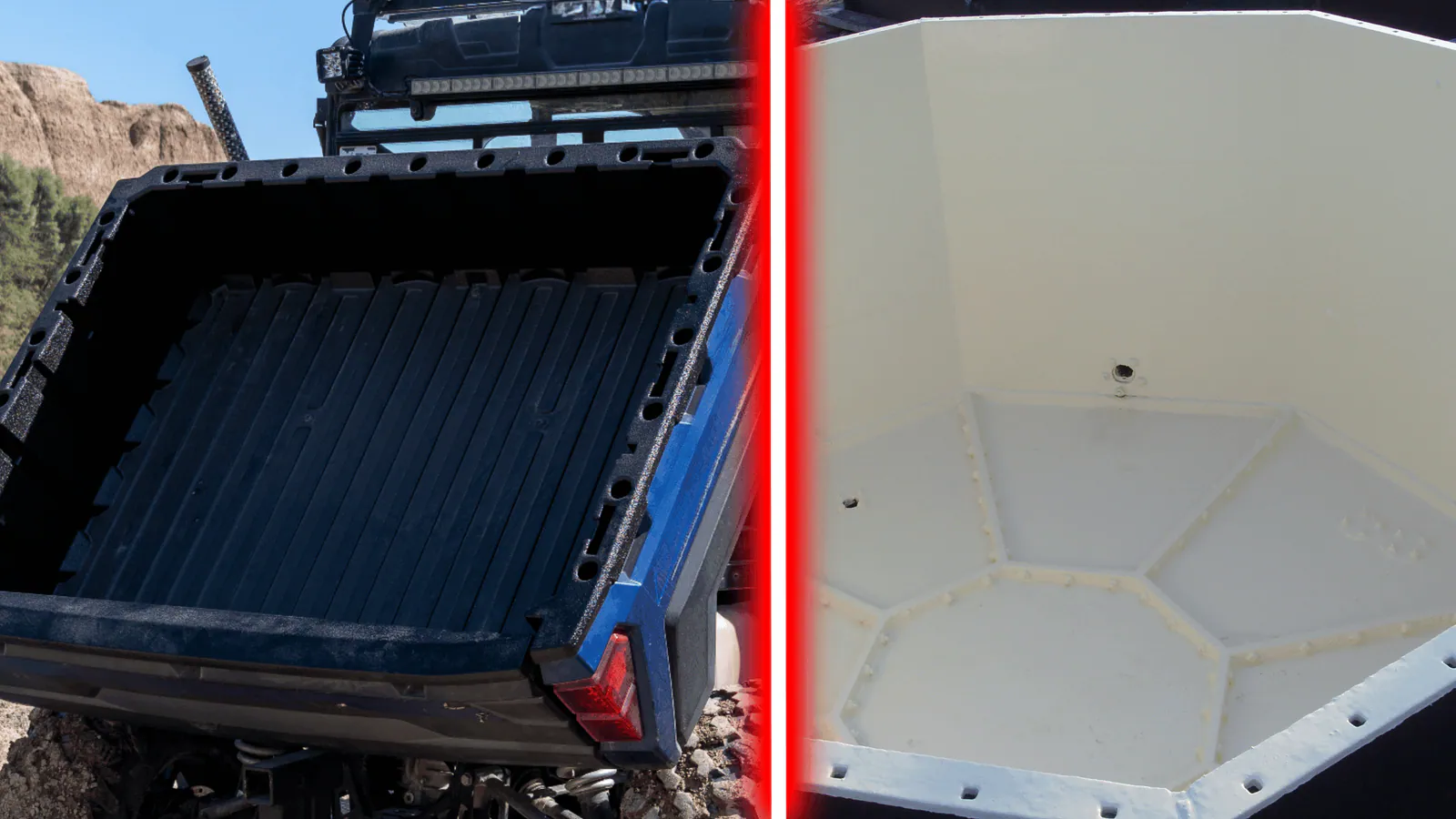
Polyurea is used across a wide range of industrial, commercial, and infrastructure applications. From corrosion protection and waterproofing to abrasion resistance and containment, polyurea systems can be formulated to meet specific performance requirements.
Because performance varies by formulation, substrate, and service environment, selecting the right coating system is critical to long-term success.
A few months ago, Ultimate Linings launched Professor Poly, a custom AI education tool that answers your questions about polyurea. Here are the answers to the top questions we have received.
1. What is the typical dry/cure time for polyurea?
Fast cure time is one of polyurea’s major advantages. While cure time depends on many factors, including formulation, substrate temperature, ambient conditions, mix ratio, equipment settings, and application thickness, many spray-applied polyurea systems gel in 10 to 30 seconds and are tack-free within minutes.
This quick cure time allows OEMs to drastically improve manufacturing efficiency, reduce costs, and increase production capacity. For construction applications, it means faster return to service and accelerated project completion.
2. Does polyurea shrink during curing?
Polyurea is known for its low shrinkage compared to many traditional coating and resin systems. Properly formulated polyurea systems exhibit minimal volumetric shrinkage during cure, helping maintain dimensional stability and reducing the potential for stress-related defects. In fact, Ultimate Linings’ pure polyurea regularly performs with a shrink rate of well below 2 percent.
Low shrinkage contributes to polyurea’s performance in applications requiring seamless membranes, protective linings, and durable elastomeric coatings.
3. Is polyurea resistant to heat?
Polyurea can provide excellent heat resistance when formulated for elevated-temperature service, with high-temperature formulations proven to withstand 400+°F.
Many industrial polyurea systems perform in continuous-service environments ranging from approximately 180°F to 250°F. Specialty formulations can provide higher temperature resistance for specific applications.
When evaluating temperature resistance, consider continuous operating temperature, peak or intermittent exposure, thermal cycling, and chemical exposure at elevated temperatures. For applications involving elevated temperatures, product-specific testing data should always be reviewed.
Standard polyurea should not be assumed to be fireproof or flame resistant. Only specially formulated fire-rated polyurea systems, like Ultimate Linings’ FR series, can tolerate direct flame and extremely high-temperature exposure. For example, Ultimate Linings’ FR-263 coating was specified by the operator of an amusement park for the coating’s ability to combine abrasion and impact protection with flame-retardant properties.
4. Does polyurea provide protection against chemicals?
Many polyurea systems offer excellent resistance to a wide range of chemicals, but no coating is resistant to every chemical under all service conditions.
Polyurea commonly performs well when exposed to:
- Water and wastewater
- Saltwater and brine
- Many salts
- Oils and greases
- Various industrial fluids
Chemical resistance may be reduced when exposed to:
- Strong acids
- Strong oxidizers
- Certain solvents
- High-temperature chemical environments
Chemical compatibility should always be verified using product-specific testing data because concentration, temperature, and exposure duration can significantly affect performance.
5. What equipment is used to apply polyurea?
Choosing the right equipment is critical because polyurea reacts extremely quickly and requires precise processing to achieve consistent performance. Most spray polyurea applications require a heated, high-pressure, plural-component proportioning system designed specifically for polyurea coatings. These systems heat the materials, maintain the required mix ratio, deliver consistent pressure and ensure proper mixing.
6. How long does it take to install polyurea?
Polyurea is generally very fast to install compared with many traditional coatings. Using professional spray equipment, large areas can be coated efficiently while minimizing facility downtime. Project duration depends on factors like surface preparation, coating thickness, environmental conditions, and project size and complexity. However, in general, polyurea’s quick cure time and rapid return to service rate allow OEMs and contractors to complete large industrial projects in a fraction of the time required for multi-coat systems that require long drying periods between coats.
7. Is polyurea waterproof?
When properly selected and applied, polyurea forms a seamless membrane that provides excellent resistance to water intrusion.
Polyurea is widely used for:
- Waterproofing applications
- Secondary containment
- Tank linings
- Wastewater infrastructure
- Protective barriers
Long-term waterproofing performance depends on proper surface preparation, substrate condition, coating thickness, and overall coating system design.
8. Can polyurea be used outdoors?
Polyurea is well suited for outdoor applications, particularly when the formulation is selected for the expected environmental conditions. It is ideal for transportation equipment, infrastructure, secondary containment, industrial assets and construction projects because it can withstand rain, moisture, abrasion, impact, and general physical wear.
For applications where color and gloss retention are important, UV-stable coating systems or compatible topcoats should be considered.
9. Is polyurea safe?
Once fully cured, polyurea is considered an inert material and is used in a wide range of industrial, commercial, and municipal applications.
During application, polyurea components may contain reactive materials such as isocyanates. Proper ventilation, personal protective equipment (PPE), and safe handling procedures should always be followed. Applicators should review the Safety Data Sheet (SDS) and comply with all applicable safety requirements before use.
10. Can polyurea be top coated?
Polyurea can be top coated when additional protection or appearance retention is required. For example, topcoats applied over aromatic polyurea systems improve long-term color and gloss retention in UV-exposed environments. Aromatic polyureas may discolor or chalk when exposed to sunlight. This change is cosmetic and does not affect physical performance, but it may not be acceptable in applications where appearance is important.
A compatible topcoat may also provide:
- Improved UV stability
- Enhanced color and gloss retention
- Additional chemical resistance
- Desired appearance characteristics
- Improved cleanability
Topcoat selection should be based on project requirements and compatibility with the underlying polyurea system.
11. Do I need to apply a primer before applying polyurea?
Proper surface preparation is essential for any successful polyurea application. Depending on the substrate and service environment, a primer may be recommended to improve adhesion and long-term coating performance. The appropriate primer, when required, should be selected based on the specific substrate and coating system being used. Factors that influence primer selection include substrate type, surface profile, moisture conditions, service environment and performance requirements.
Ultimate Linings has tested a wide range of primers for different metal and concrete substrates and can recommend products to ensure reliable performance across various applications.
Have a question about polyurea?
Polyurea systems can be formulated for waterproofing, chemical resistance, abrasion resistance, impact protection, corrosion control, UV stability, and many other performance requirements. Selecting the proper coating system requires consideration of the substrate, service environment, exposure conditions, and performance expectations.
If you have questions about a specific application, ask Professor Poly or contact the Ultimate Linings technical team for guidance on the coating system best suited to your project.