When comparing polyurea vs polyurethane, the confusion usually starts because both materials are used for protection, durability, and long-term performance. On the surface, they can seem similar. Both are used in coatings, both improve asset life, and both can help protect against corrosion, abrasion, chemicals, and weather exposure.
The difference is in how they perform, how quickly they return an asset to service, and where each system makes the most sense.
For industrial coatings, containment systems, infrastructure, transportation, and demanding OEM applications, that difference matters.
In simple terms:
Quick Comparison: Polyurea vs Polyurethane
- Polyurea is typically chosen for speed, flexibility, impact resistance, and fast return to service
- Polyurethane is often selected where slower application, decorative finish, or lower-performance coating requirements are acceptable
Understanding the difference helps ensure the right system is specified from the start.
| Feature | Polyurea | Polyurethane |
|---|---|---|
| Dry Time | Tack-free in seconds to minutes | Slower dry time, often hours |
| Return to Service | Very fast | Slower |
| Flexibility | Excellent | Good |
| Abrasion Resistance | Excellent | Moderate to good |
| Chemical Resistance | Excellent | Moderate |
| Moisture Sensitivity During Application | Low | Higher |
| Film Build | High-build systems possible | Often lower build |
| Application Method | Commonly plural-component spray | Spray, brush, roller depending on system |
| UV Stability | Aromatic systems require topcoat, aliphatic systems offer UV stability | Good depending on formulation |
| Typical Use | Heavy-duty industrial protection | General protective and finish coatings |
What Is Polyurea?
Polyurea is a high-performance elastomer coating formed by the reaction of an isocyanate and a resin blend. It is most commonly applied using plural-component heated spray equipment to create a seamless, durable protective membrane.
It is widely used where speed and performance matter.
Typical applications include:
- Secondary containment
- Wastewater infrastructure
- Tank linings
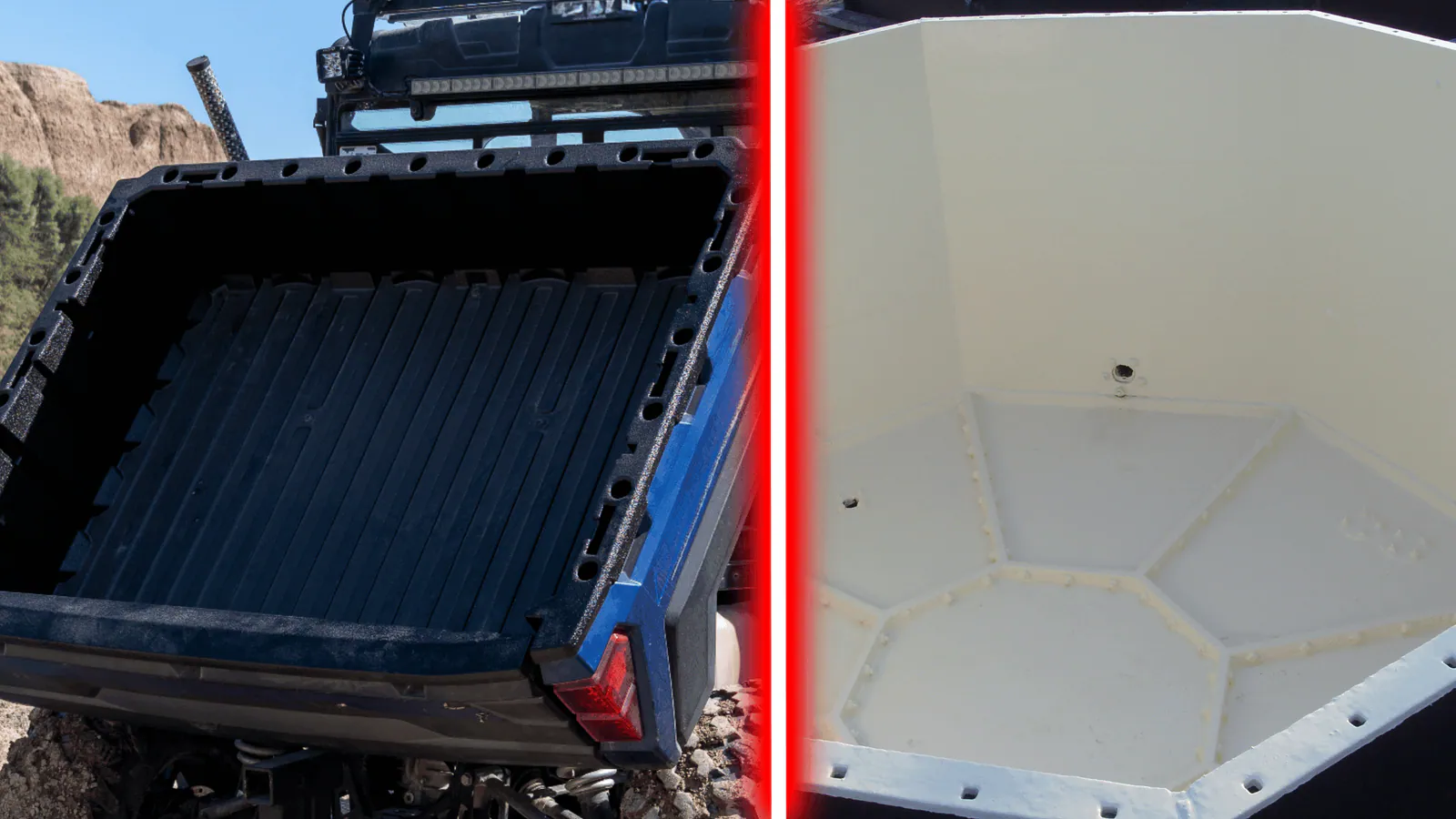
- Truck bedliners
- Bridge and concrete protection
- OEM manufacturing
- Transportation components
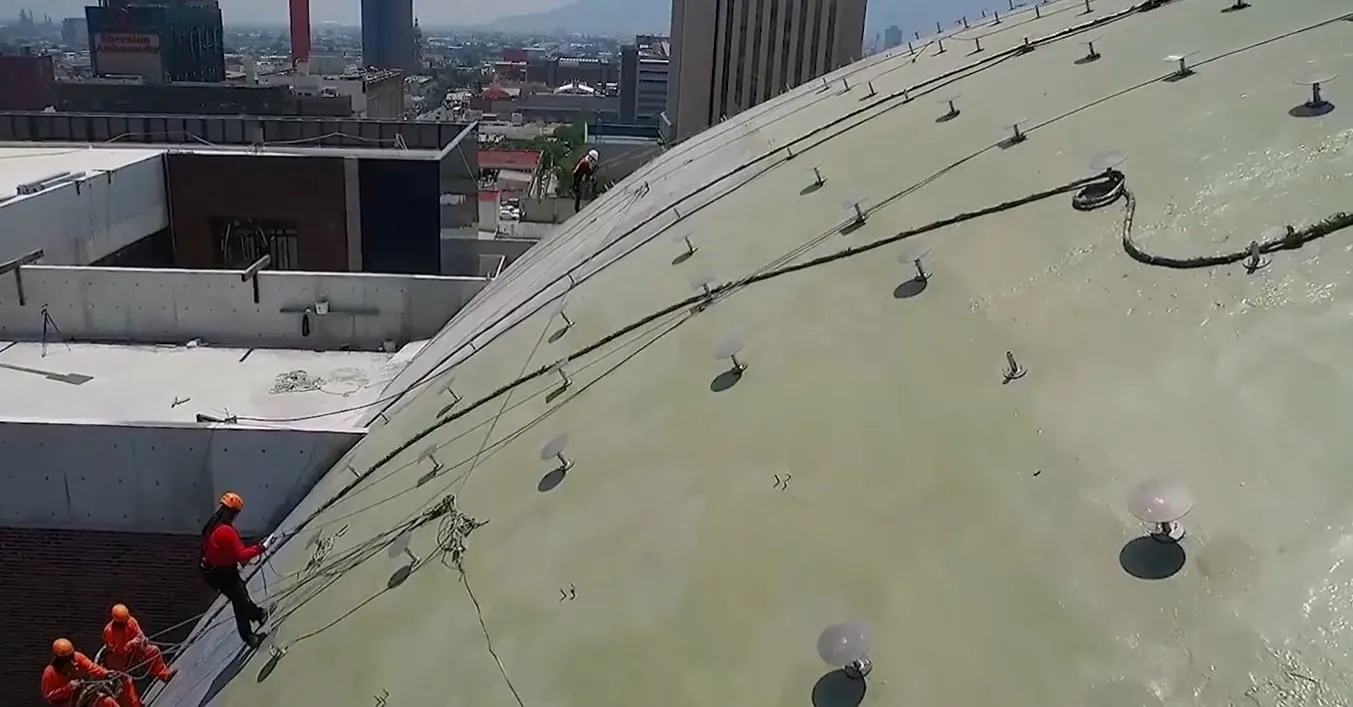
- Roofing and waterproofing systems
- Heavy equipment protection
One of the biggest advantages of polyurea is how quickly it becomes tack-free. In many applications, the coating dries in seconds and can be walked on or handled far sooner than traditional systems.
This helps reduce downtime, labor costs, and shutdown periods.
For asset owners, faster return to service often matters more than material cost alone.
What Is Polyurethane?
Polyurethane is also a protective polymer coating system, but it behaves differently from polyurea and is typically used where a slower, more controlled application process is acceptable.
Spray-applied Polyurethane coatings are commonly used for:
- Protective topcoats
- Decorative industrial finishes
- Equipment coatings
- Corrosion protection
- Surface sealing
- UV-resistant finishing systems
While polyurethane can provide strong protection and a quality finish, it generally takes longer to dry and return to service compared to polyurea systems.
It is often selected when appearance, finish quality, or lower-build protection is the priority rather than rapid turnaround.
Where They Are Similar
Both polyurea and polyurethane are designed to protect surfaces and extend service life.
They can both offer:
- Corrosion protection
- Chemical resistance
- UV resistance depending on formulation
- Impact resistance
- Surface waterproofing
- Long-term durability
Both systems can be highly effective when correctly specified.
The real decision is not which is “better,” but which is better for your environment, substrate, and performance requirements.
1. Faster Dry Time
Polyurea is known for its extremely fast tack-free time.
Instead of waiting hours for coatings to dry, many polyurea systems dry in seconds, allowing significantly faster handling, reduced shutdown periods, and quicker project completion.
This is especially valuable in manufacturing environments where production delays are expensive.
2. Better Impact and Abrasion Resistance
For heavy-duty environments, polyurea is often the stronger choice.
It performs exceptionally well where assets face:
- Mechanical abuse
- Abrision from repeated use
- Chemical splash
- Weather exposure
- Expansion and contraction from temperature change
Its flexibility allows it to absorb movement without becoming brittle.
3. Higher Film Build in a Single Application
Polyurea systems can achieve thick, protective film builds much faster than many traditional coating systems.
This makes them ideal for containment, waterproofing, and aggressive service environments where long-term protection is critical.
4. Better Performance in Difficult Environments
Moisture tolerance during application and environmental performance often make polyurea a stronger solution in demanding field conditions.
For projects where downtime is expensive and failure is not an option, this becomes a major advantage.
Which Should You Choose?
Choose Polyurea If You Need:
- Fast return to service
- High-build protective coating
- Heavy-duty chemical resistance
- Strong abrasion and impact performance
- Waterproof seamless protection
- Long-term industrial durability
Choose Polyurethane If You Need:
- A protective finish coat
- Decorative appearance
- Lower-build coating systems
- UV-stable finishing systems
- General corrosion protection with less aggressive service demands
In many systems, both materials work together.
For example, an aromatic polyurea may provide the main protective layer, while a polyurethane or polyaspartic topcoat provides UV stability and color retention.
System design matters more than choosing a single product category.
Polyurea vs Polyurethane Performance Snapshot
y=Performance vs Return-to-Service Speedy = \text{Performance vs Return-to-Service Speed}
A useful way to think about specification is this:
As performance demands increase, the need for faster return to service often increases as well. This is where polyurea becomes the stronger choice.
For lighter-duty protection where appearance matters more than uptime, polyurethane may be the right fit.
Frequently Asked Questions ABout Polyurea vs Polyurethane
Is polyurea stronger than polyurethane?
For industrial protective coatings, polyurea typically offers better abrasion resistance, flexibility, and impact performance than polyurethane.
This makes it better suited for aggressive environments and heavy-use assets.
Is polyurea more expensive than polyurethane?
Material cost is often higher, but total project cost can be lower because of reduced labor, faster return to service, and longer service life.
Looking only at product price usually gives the wrong answer.
Can polyurea replace polyurethane?
Sometimes, yes.
But many systems perform best when both are used together, with polyurea providing protection and polyurethane or polyaspartic providing finish performance.
Is polyurea always the better choice?
No.
The right answer depends on the substrate, environment, exposure conditions, and expected service life.
The best coating system is the one designed for the real-world demands of the project.
Final Thoughts on Polyurea vs Polyurethane
When evaluating polyurea vs polyurethane, the decision should be based on performance, not assumptions.
If your project demands speed, durability, abrasion resistance, and fast return to service, polyurea is often the better long-term solution.
If the priority is decorative finish, lower-build protection, or a finish topcoat, polyurethane may be the right fit.
At Ultimate Linings, we work with contractors, OEMs, engineers, and asset owners to help specify the right system for the job.
Because the best coating decision is rarely about one product. It is about solving the real problem underneath it.