At Ultimate Linings, we’ve seen our polyurea coatings put to the test in just about every environment imaginable. Marine conditions, however, demand a particular kind of toughness. Between the constant surge of saltwater, the push and pull of tidal currents, and the relentless presence of marine organisms, wood pilings can break down faster than you might expect. That’s why we’ve focused on utilizing our polyurea coating technology to create a superior, long-lasting barrier for marine pilings.
I want to walk you through what this protective solution brings to the table, straight from the perspective of someone who’s spent years helping customers find the right coating for the right job.
What is Polyurea-Coated Marine Piling, Exactly?
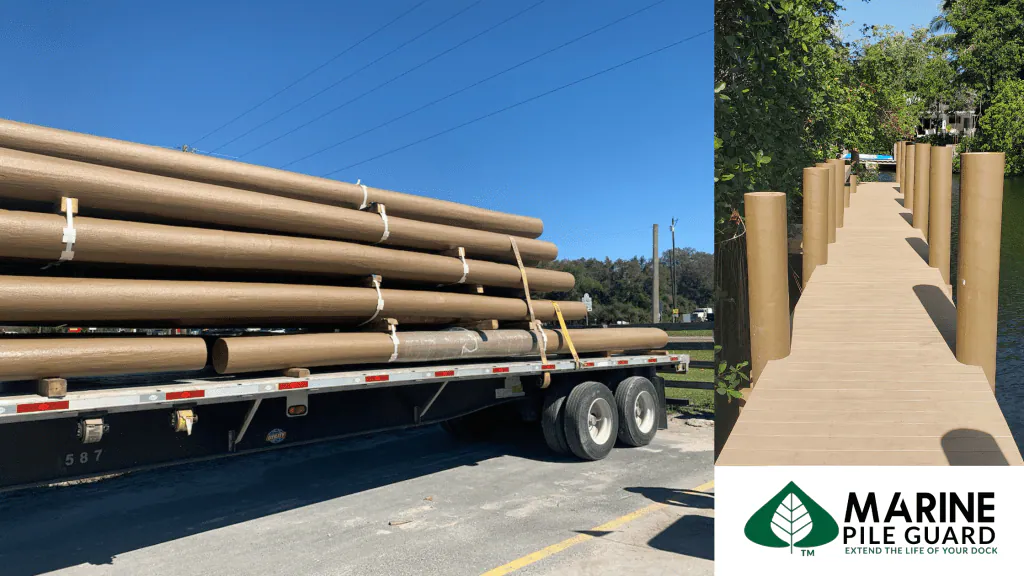
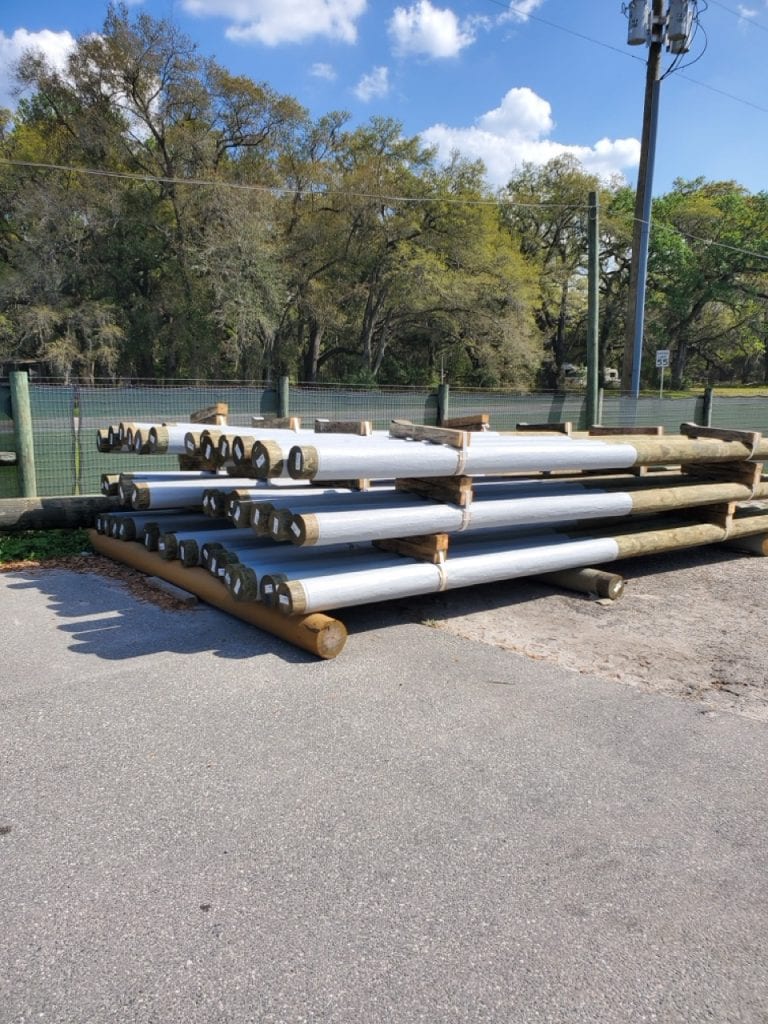
Simply put, it’s about wrapping a treated wood piling in a seamless layer of polyurea. This coating forms a tough, slip-resistant, and watertight seal that looks a bit like vinyl or ABS plastic. But it’s not just about looks; it’s about keeping water, marine organisms, and everyday wear and tear at bay.
Why Polyurea for Marine Pilings?
Polyurea is known for its versatility and durability. In this marine application, it protects the piling from rot, marine borers, and other organisms that love to chew up unprotected wood. By stopping water from creeping into the wood fibers, we’re also reducing the likelihood of those fuzzy, splintered surfaces you sometimes see when wood gets overly saturated. This combination of moisture resistance, abrasion resistance, and a stable surface just makes sense—especially in places where the ocean’s trying to wear everything down.
Breaking Down the Advantages:
- Starting with a Strong Base:
Robbins’ pilings are treated to a retention of 2.50 pcf, which means they’re built for the long haul in harsh marine settings. The wood’s properly dried to ensure the polyurea bonds perfectly. We typically apply about 60 mils—just thick enough to provide a robust protective layer, without getting unwieldy to work with.
- A Barrier that’s Environmentally Conscious:
Encasing the wood in polyurea helps prevent any preservatives in the piling from leaching into the water. That’s good news for everyone—local marine life, the broader ecosystem, and any environmental compliance standards you’re trying to meet.
- Tough Defense Against Marine Organisms and Moisture:
Marine organisms and water infiltration are the big culprits here. The coating forms a shield, stopping wood-boring organisms and slowing internal moisture that leads to structural damage. The result is a piling that stays smooth, stable, and sound.
- Easy on the Jobsite:
Even with the coating in place, these pilings can be drilled, cut, and installed without much fuss. If the coating gets scraped or nicked, repair kits make it a quick fix so you’re not sidelined by time-consuming maintenance or rework.
- Long-Term Durability Means Less Downtime:
By giving the piling an extra layer of armor, you’re reducing how often you need to do repairs or replacements. That translates directly into cost savings and less time spent wrestling with problems down the line.
- Non-Leaching, Eco-Friendly Protection:
Polyurea’s inert nature means it won’t leach harmful chemicals or materials into the surrounding environment. This ensures that even in prolonged exposure to saltwater or other marine conditions, the coating remains stable.
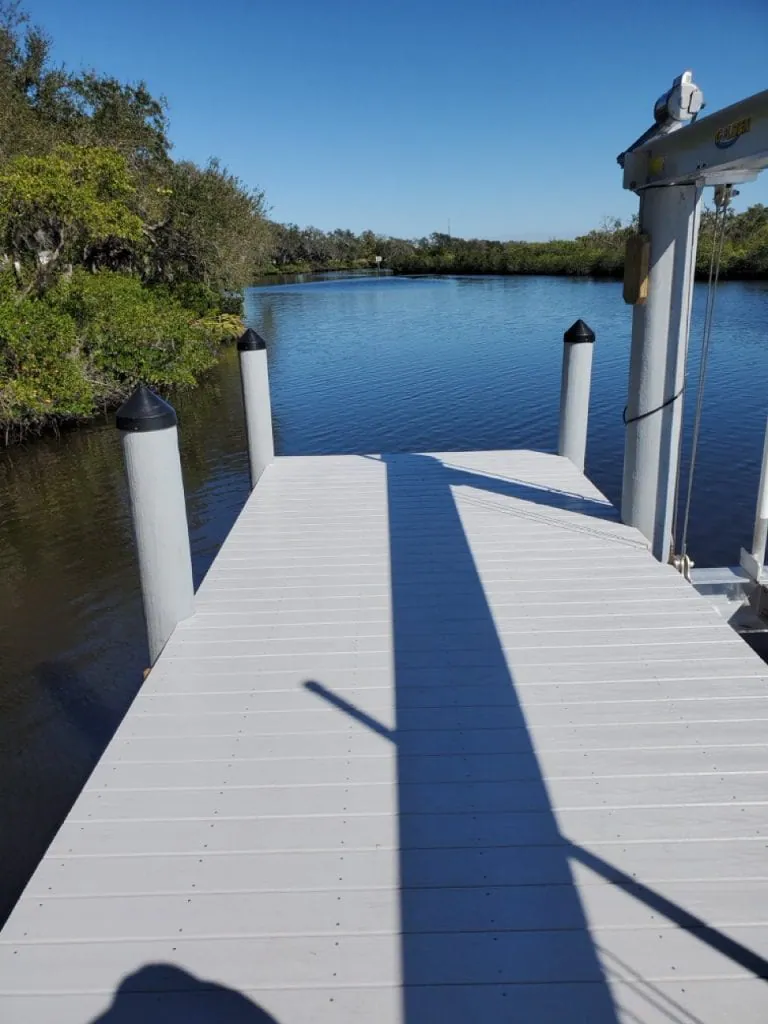
Why Consider Marine Pile Guard for Your Next Project?
It’s straightforward: You want a piling that lasts longer, stands up to harsh conditions, protects the environment, and doesn’t complicate your installation process. Polyurea checks all those boxes. We know from experience that our coatings act as a workhorse in challenging environments, and marine settings are no exception. If you’re tired of dealing with split, rotten, or compromised wood pilings, this is the solution you’ve been looking for.
In Closing
This is just one more example of what polyurea can do when paired with a well-chosen substrate. We’ve seen it in action, and it works. Whether you’re building a new dock, renovating a marina, or working on a pier that’s been battered by the elements, polyurea protection is worth considering. Get in touch with us at Ultimate Linings if you want to talk coatings. We’re here to help you find the right polyurea solution for your next marine project.