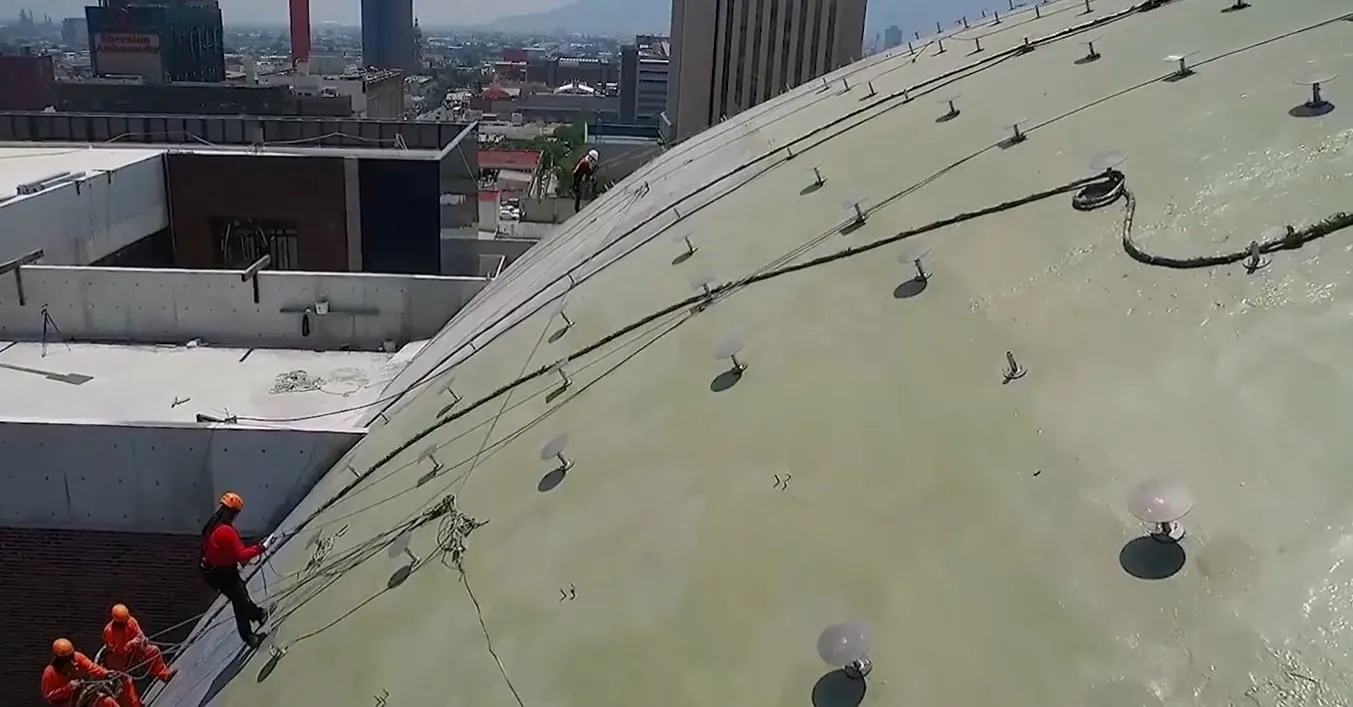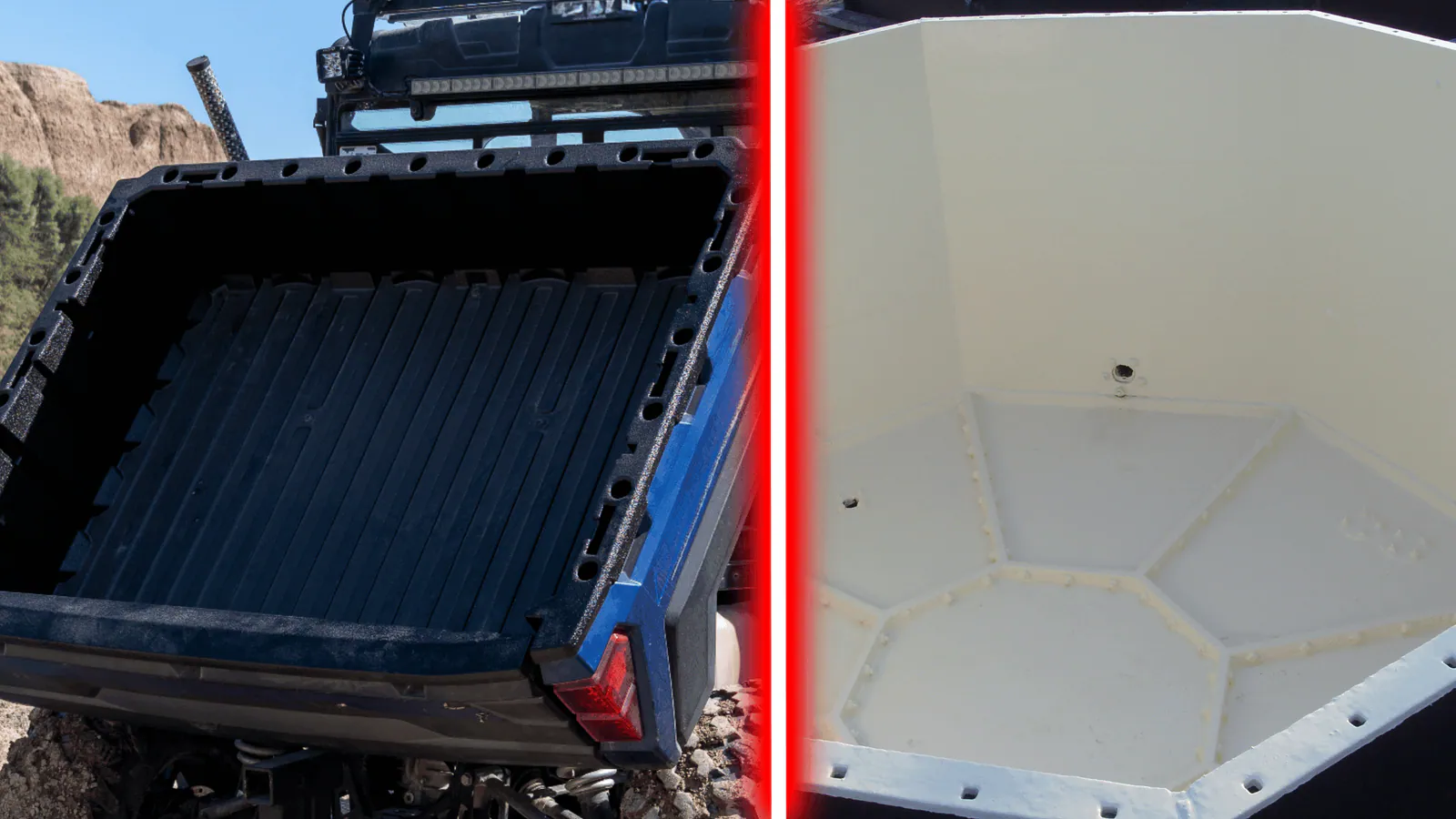
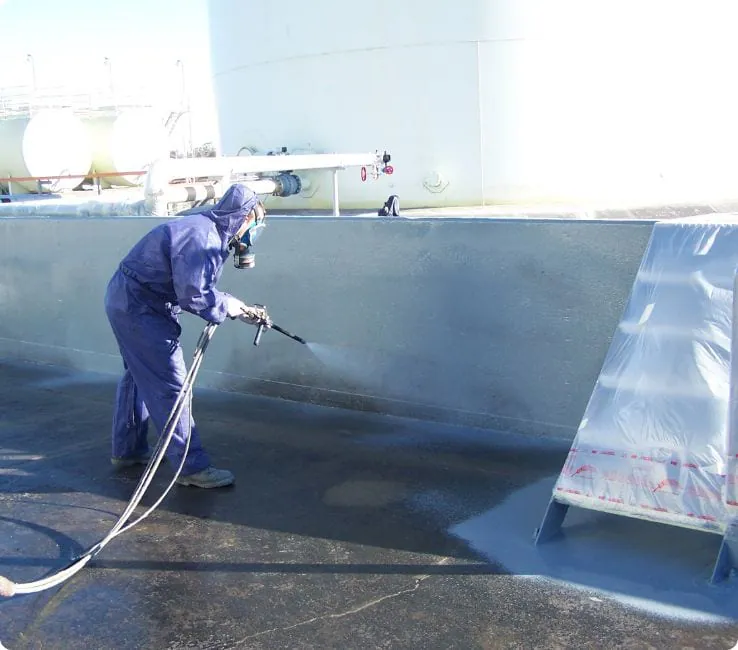
Polyurea is a coating, lining and joint sealant technology. Polyurea coatings and linings are more commonly applied over concrete and steel for corrosion protection and abrasion resistance.
Many industries use polyurea as a protective coating.
How long does polyurea take to dry?
Polyurea coatings have an advantage, polyurea dries once a professional applies it to a concrete surface. Polyurea dries between 5 and 15 seconds and are used on a broad and diverse list of applications. In polyurea coatings, you can walk on the surface 1 to 4 hours after the professionals apply it, and you can drive vehicles over it 24 hours after the application.
How long does polyurea last?
A correctly applied coating of polyurea will usually last at least fifteen years, while enduring regular stress.
Is Polyurea Toxic?
Polyurea coatings are considered safe for use once fully cured. After curing, the material becomes inert, meaning it does not emit harmful substances and is suitable for use in a wide range of residential, commercial, and industrial environments.
During application, however, polyurea components can contain reactive chemicals such as isocyanates. For this reason, appropriate safety measures—including the use of personal protective equipment (PPE) and proper ventilation—are essential for applicators.
When installed correctly by trained professionals, polyurea provides a durable, protective barrier that resists exposure to oils, chemicals, and other potentially harmful substances. Its seamless and non-porous nature also helps prevent staining, cracking, and peeling over time.
What is the difference between polyurea and polyurethane?
The curing time characteristics and the versatility of the application process are important considerations when considering each type.The polyurea reaction is much faster than the polyurethane one, and the systems can gel within a few seconds after mixing. From a chemical standpoint, a polyurethane is made from the reaction of an isocyanate with a polyol, whereas a polyurea is formed from an isocyanate reacting with a multifunctional amine.
Polyurea’s properties make for durable, gorgeous coatings that stand up to some of the most taxing conditions, including marine and industrial conditions. It remains clear under UV light and handles damp environments, making it an appealing coating for floors and other building surfaces like countertops. Polyurethane is often used to make mattress foam, insulation, and hardened protective coatings, polyurethane is one of the most prevalent polyols in modern industry. You can find it in shoes, housing, furniture, cars, and more.
What is a hybrid of polyurea and polyurthane?
Polyurea by name is not a specific coating system or a specification; it is a description of a polymer technology. There are pure polyureas and hybrid polyurea systems, each possessing their own characteristics, advantages and disadvantages. Hybrid polyurea has three basic materials like isocyanate, amine and addition of polyol. Hybrid polyurea is designed to combine properties of polyurea and polyurethane, making it good as a coating having mid path properties.
Is polyurea flammable?
Weather tolerant: dries at -25oF to >300oF even in high humidity and excellent resistance to thermal shock. With its fire retarding ability, it has resistance against ignition combined with self- extinguish feature.
Can Polyurea Be Painted?
Polyurea surfaces can be coated, but not all paint systems are suitable. Traditional paints typically do not offer the flexibility, adhesion, or long-term durability required to perform alongside polyurea, which is designed to be highly elastic and resilient.
Instead, coatings that are chemically compatible with polyurea are recommended. Polyaspartic coatings, which belong to the same family of materials, provide a more effective solution. They are formulated to bond well with polyurea surfaces while offering enhanced UV stability, improved color retention, and fast curing characteristics.
Another advantage of polyaspartics is their versatility in application. They can be applied using both high-pressure plural component spray systems and conventional HVLP equipment, making them suitable for a wide range of project conditions.
To achieve optimal adhesion, it is recommended to apply the topcoat within one hour of the polyurea application, while the surface is still warm. This ensures a stronger bond between the layers and helps maximise overall coating performance and longevity.
Do I Need a Primer for Polyurea Coatings?
Proper surface preparation is essential for any successful polyurea application, and in many cases, this includes the use of a suitable primer. The role of a primer is to promote adhesion between the substrate and the polyurea, helping to ensure long-term performance and prevent coating failure.
For concrete substrates, epoxy and polyaspartic primers are commonly recommended. These primers penetrate and seal the surface while creating a strong bonding layer for the polyurea to adhere to.
When applying polyurea over previously coated or existing polyurea surfaces, a bonding agent should be used. This helps ensure intercoat adhesion and reduces the risk of delamination between layers.
In some cases, such as powder-coated or e-coated surfaces, a primer may not be required. However, surface preparation remains critical. These surfaces should be mechanically abraded—typically using 120-grit sandpaper or a wire cup brush—followed by thorough cleaning to remove dust, contaminants, and residues before application.
It is also important to ensure that the existing coating (such as powder coat or e-coat) is properly adhered to the underlying substrate. If the original coating is poorly bonded, the polyurea may adhere well to the surface layer, but that layer itself can fail. In this scenario, the polyurea will remain bonded to the coating, but both may detach from the substrate, leading to peeling or delamination.
Ultimate Linings has tested a wide range of primers for different metal substrates to ensure reliable performance across various applications. For specific recommendations, you can contact a member of our team via the contact form.
For industrial coating applications customized to your need, get in touch with us.